Understanding Your Baby's Cries: A Compassionate Guide to Decoding and Responding
Crying is your baby's first language, a powerful signal of need and connection. This guide moves beyond 'fixing' tears to understanding their meaning, offering practical, age-specific strategies to respond with empathy and build secure attachment.
Your baby's cry is one of the most powerful sounds on earth. It's designed by evolution to get your full and immediate attention, triggering a deep, physiological urge to respond. In those early sleep-deprived weeks and months, a baby's crying—especially when it feels inconsolable—can be overwhelming, leaving parents feeling anxious, inadequate, or exhausted. It's crucial to remember: Crying is not a measure of your parenting. It is your baby's primary means of communication. This guide will help you shift from a mindset of "stopping the tears" to one of "understanding the message," providing you with evidence-informed, empathetic strategies to navigate this universal parenting experience.
Why Babies Cry: It's Their First Language
Before words, there are cries. From birth, crying is a complex signal indicating a range of states and needs. It's not always about distress; it's about connection. Research in infant mental health tells us that crying serves several key functions: it ensures survival by summoning care, helps regulate the baby's own nervous system by releasing stress, and, crucially, it initiates the back-and-forth dance of attachment. When you respond, you're not "spoiling" your baby; you're teaching them that the world is a safe, predictable place and that they are loved.
The Decoder Ring: Learning Your Baby's Cry Cues
While each baby is unique, many parents and researchers identify common patterns. Think of these as dialects of the crying language:
* The Hunger Cry: Often starts as a fussy, rooting sound with a rhythmic pattern ("neh" or "naa"), building in intensity if unmet.
* The Tired Cry: Usually whiny, nasal, and fussy, often accompanied by eye-rubbing, ear-pulling, or losing interest in play.
* The Discomfort Cry: Angry, grating, and persistent. Check for a dirty diaper, a tight clothing tag, being too hot or cold, or a hair wrapped around a toe (a "hair tourniquet").
* The Pain Cry: A sudden, sharp, high-pitched scream, followed by a long pause and then a breath-holding wail. This cry demands immediate investigation.
* The Overstimulated/Fussy Cry: Miserable, intermittent whimpers often at the end of a long day. Baby may turn their head away from light, sound, or interaction.
Your most important tool is observation. Over days and weeks, you will become the world's leading expert on your own baby's specific signals.
Response Strategies: A Toolkit, Not a Magic Wand
Your response should match the suspected need. Always start with the basics: hunger, diaper, sleep. If those are met, move through this checklist with empathy.
1. The 5 S's (For Newborns): Popularized by Dr. Harvey Karp, these can mimic the womb environment: Swaddle, Side/Stomach position (in your arms, never in sleep), Shush (white noise), Swing (gentle, jiggly motion), and Suck (offer a clean finger or pacifier).
2. Wear and Walk: Skin-to-skin contact in a carrier is profoundly regulating. The combination of your heartbeat, warmth, motion, and smell is a powerful soothe.
3. Change of Scenery: Move from a bright room to a dim, quiet one, or go outside. The sensory shift can break the crying cycle.
4. The "Hold Through": Sometimes, a baby just needs to cry in the safety of your arms. Speak softly, rock gently, and breathe deeply. You are their safe harbor, not a failure for not stopping the storm.
What to Avoid:
* Never shake a baby. If you feel overwhelmed, place them safely in their crib and step away for 5-10 minutes to regain composure.
* Avoid frantic, rapid-fire changes (bouncing violently, switching techniques every 10 seconds). Calm begets calm.
* Don't assume all crying is "colic" or just "fussiness" that must be endured. Persistent crying requires methodical investigation and pediatric consultation.
Age-Banded Insights: How Crying Evolves
Newborns (0-3 months): Crying often peaks around 6-8 weeks. It's frequently clustered in the late afternoon/evening ("the witching hour"). Responses are primarily physiological: feeding, swaddling, motion.
Infants (4-7 months): Crying becomes more purposeful and social. They may cry for attention, out of boredom, or frustration (e.g., unable to reach a toy). Distraction, engaging play, and establishing predictable routines become powerful tools.
Older Infants (8-12 months): Separation anxiety emerges, causing clinginess and tears when you leave the room. Stranger anxiety may also peak. Reassure with games like peek-a-boo, practice short separations, and always say goodbye instead of sneaking out.
A Quick Weekly Plan for Building a Responsive Routine
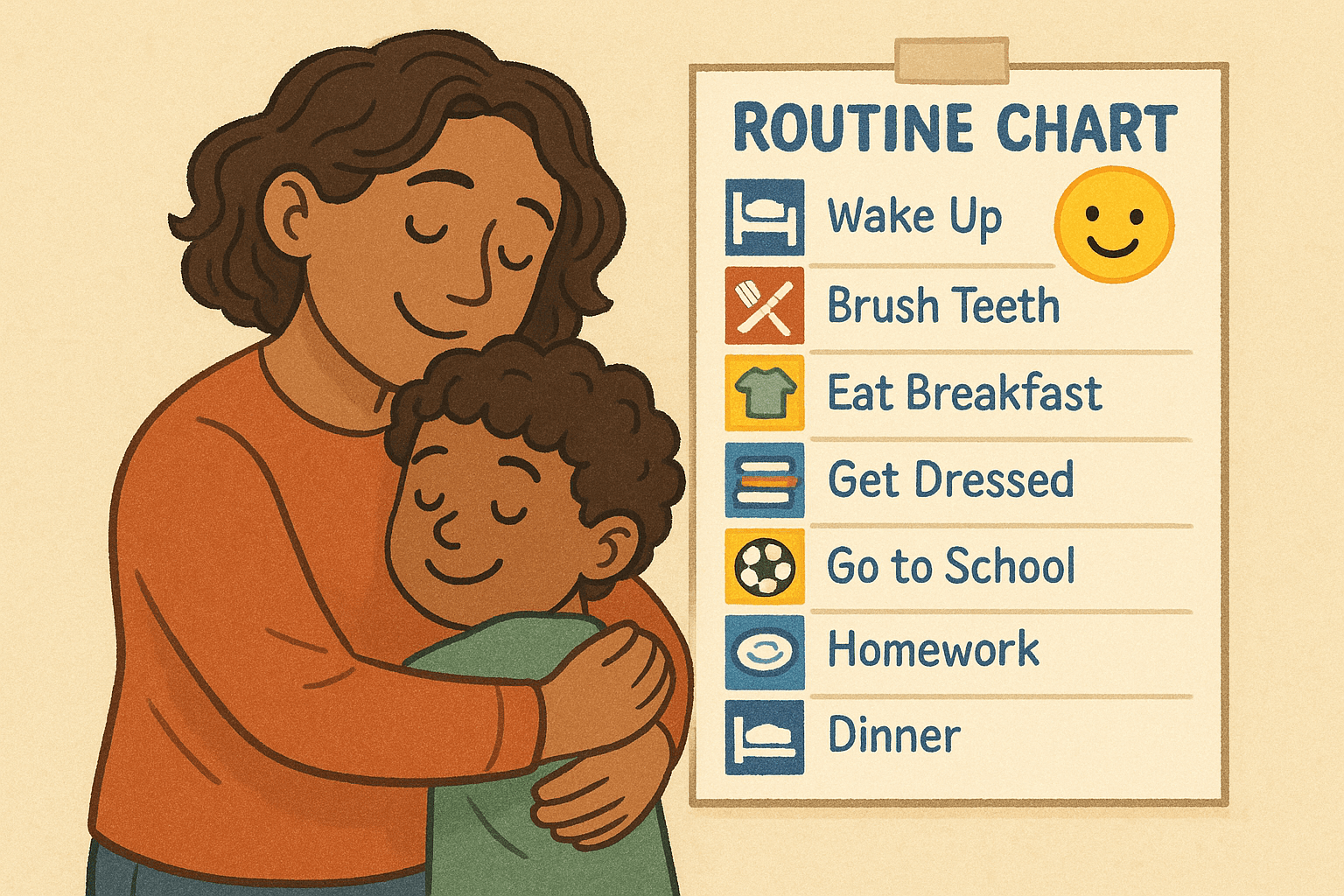
A predictable routine reduces anxiety-based crying.
* Monday: Focus on full feeds. Ensure baby is calm and awake enough to eat well, reducing hunger-related cries later.
* Tuesday: Observe sleep cues intently. Put baby down for naps at the first sign of tiredness (yawning, staring).
* Wednesday: Dedicate 15-minute blocks of one-on-one, screen-free, engaged play (reading, singing, tummy time). A connected baby cries less.
* Thursday: Practice baby-wearing or extended cuddle time during a typical fussy period.
* Friday: Review the environment. Is it overstimulating? Create a calm-down corner with dim lights and white noise.
* Weekend: Partner practice. Have another caregiver run through the soothing checklist while you take a break, building baby's trust in others.
When to Seek Professional Guidance
Always consult your pediatrician if crying is accompanied by:
* Fever, vomiting, diarrhea, or rash.
* A weak, high-pitched, or moaning cry that sounds distinctly different.
* Lethargy, poor feeding, or failure to gain weight.
* You suspect pain from reflux, an allergy (e.g., to cow's milk protein), or other medical issues.
Also seek support for yourself if you feel persistently overwhelmed, resentful, or hopeless. Postpartum mood disorders can affect your tolerance and perception of crying. Asking for help is a sign of strength.
Frequently Asked Questions
Q: Will I spoil my baby by picking them up every time they cry?
A: No. In the first year, consistent, loving responsiveness builds secure attachment. It teaches your baby that needs are met and the world is trustworthy. "Spoiling" is about giving *things* to quiet a child; meeting a *need* is nurturing.
Q: How long should I let my baby "cry it out"?
A: Sleep training methods that involve crying are a personal family decision and are not recommended before 4-6 months of age. For young infants, crying is a signal of an unmet need, not a manipulation. For older babies, gentle sleep teaching methods that involve less crying exist. Always discuss with your pediatrician.
Q: My baby only stops crying when held. Are they manipulating me?
A: No. Your baby is a social mammal who needs proximity for survival and emotional regulation. This is a biological need, not a calculated choice. Over time, as their brain matures, they will learn to self-soothe, but this skill is built on a foundation of having been soothed by you first.
Your Next Step: From Survival to Connection
Start by choosing one strategy from this guide—perhaps learning the 5 S's or implementing a 10-minute daily cuddle ritual—and practice it with mindfulness. Notice what seems to resonate with your baby. Keep a simple log of crying times and what helped, not to obsess, but to see patterns. Share this guide with your partner or support network so you have a shared language. Most importantly, be gentle with yourself. You are learning a new language, and so is your baby. This phase, while intense, is temporary. Each compassionate response is a brick in the foundation of a lifelong, secure relationship.