Child Behavior Problems: An Expert Parent Guide to Root Causes and Practical Solutions
When behavior gets difficult, punishment alone rarely fixes the real issue. Learn how to identify root causes, respond with firm and respectful boundaries, and build better behavior through connection, structure, and skill-building.
Related Guides
- /blog/toddler-behavior-guide
- /blog/global-toddler-tantrums
- /blog/global-positive-parenting
Many parents ask the same question: “Why is my child behaving this way when I’ve already explained the rules?” The short answer is that behavior is communication. Children show us what they cannot yet fully say.
If we only react to the behavior and ignore the cause, the cycle repeats. If we address the cause and teach replacement skills, behavior improves.
Understand the root before correcting the behavior
Common drivers behind behavior challenges include:
- Sleep debt and inconsistent routines
- Hunger, sensory overload, or low frustration tolerance
- Unclear expectations or too many commands
- Skill gaps (emotion regulation, impulse control, communication)
- Stress at home or school
Before consequences, ask: “What skill is missing right now?”
A reliable response model for parents
Step 1: Connect
Start with emotional acknowledgment: “You’re really frustrated.” This lowers defensiveness and opens the brain for learning.
Step 2: Correct
State the limit calmly and clearly: “I won’t let you hit.” Keep tone neutral; avoid long lectures.
Step 3: Coach
Teach the next right action: “Use words,” “Ask for help,” “Take three breaths,” or “Try again gently.”
This connect-correct-coach sequence works better than repeated scolding.
Discipline that teaches (not just punishes)
Effective discipline is:
- Immediate and predictable
- Related to the behavior
- Proportionate and age-appropriate
- Focused on learning and repair
Examples:
- Throwing toys → pause toy access briefly, then practice safe play.
- Hurtful words → apology + redo with respectful language.
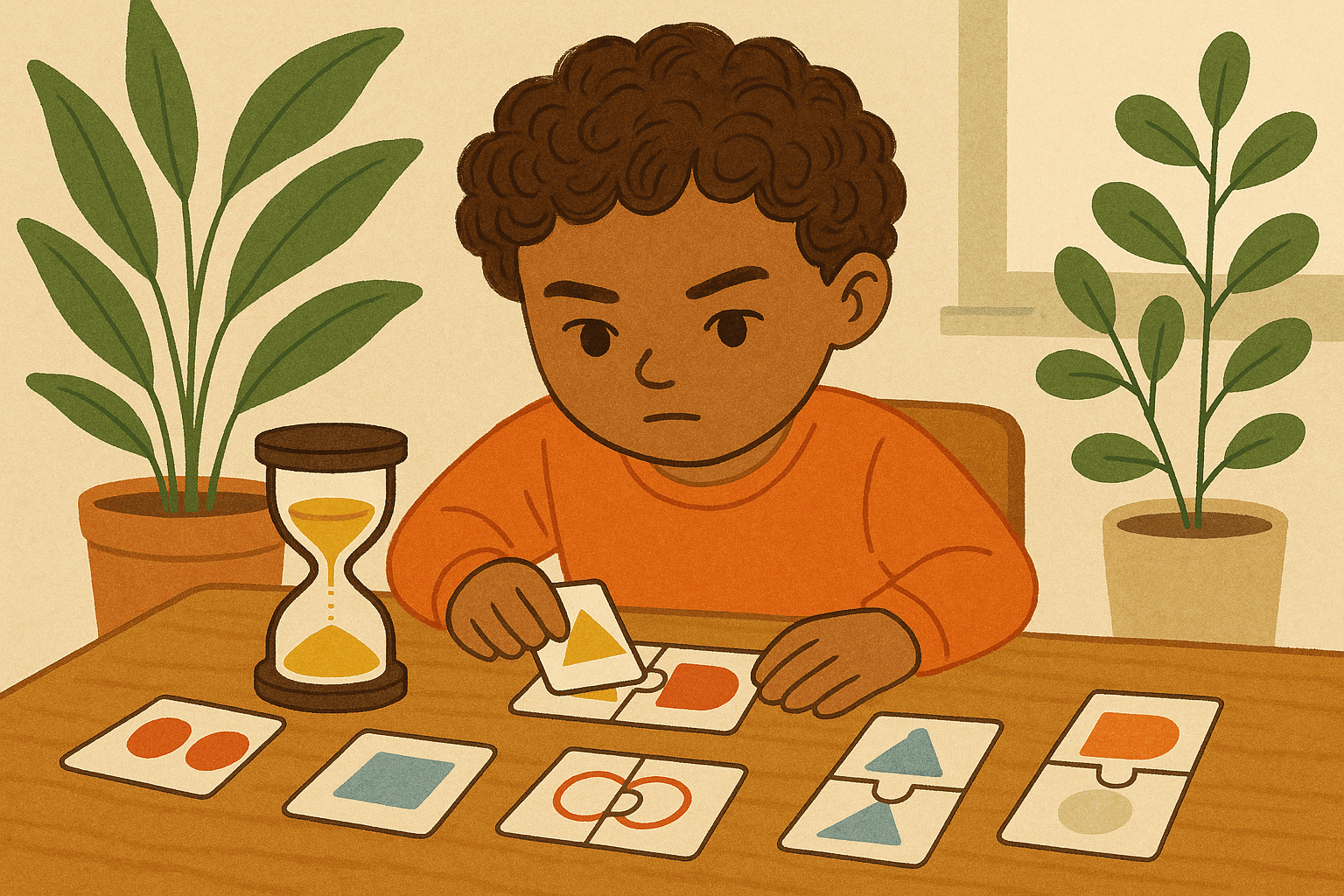
- Refusal at transitions → visual timer + consistent follow-through.
Build a behavior-friendly home environment
- Use visual routines for morning, homework, and bedtime.
- Give transition warnings (10 min, 5 min, 1 min).
- Offer two positive choices where possible.
- Catch good behavior and praise it specifically.
- Schedule daily one-on-one connection time.
Children cooperate more when they feel seen, safe, and clearly guided.
When to seek extra support
Talk to your pediatrician or a child specialist if behavior problems are severe, persistent across settings, harming relationships, or affecting school function.
Early support is not failure. It is smart, preventive parenting.
FAQ
Q: Is my child “bad” if behavior is difficult every day?
No. Difficult behavior usually reflects stress, unmet needs, or undeveloped skills—not bad character.
Q: How quickly can behavior improve?
Some changes appear in 1–2 weeks with consistency. Deeper behavior patterns often improve over months of steady coaching.
Final thought
Strong behavior support is a long game. Stay calm, stay consistent, and keep teaching. Your child’s brain is developing every day, and your responses are shaping that growth in powerful ways.