Understanding Child Growth and Development: A Comprehensive Guide for Parents
Explore the essential stages of child growth and development, with practical advice and empathetic insights for parents navigating this critical journey.
Childhood is a remarkable journey filled with growth, exploration, and learning. As parents, understanding the stages of child development is crucial in providing the support and guidance your child needs to thrive. This blog post will explore the key aspects of child growth and development, offering actionable steps you can take to nurture your child's potential while also highlighting what to avoid.
The Stages of Child Development
Child development is typically categorized into several key stages: infancy, early childhood, middle childhood, and adolescence. Each stage brings unique challenges and milestones that are essential for healthy growth.
Infancy (0-1 Year)
During infancy, babies undergo rapid physical and cognitive growth. They learn to communicate through coos and cries, develop motor skills, and begin to form attachments.
Actionable Steps:
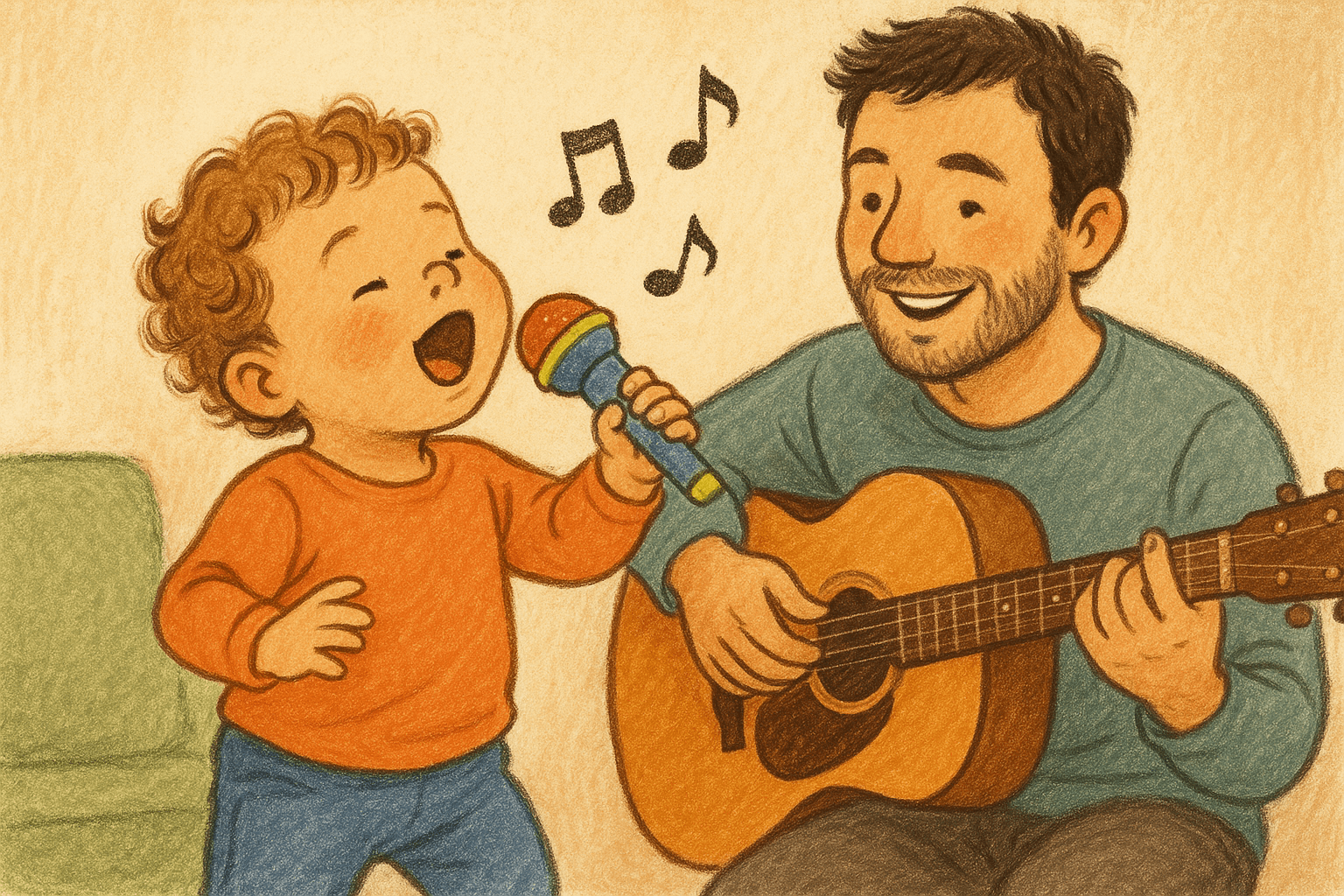
- Encourage Interaction: Engage with your baby through talking, singing, and playing. Eye contact and responsive interaction foster emotional security.
- Provide a Safe Environment: Ensure your home is safe for exploration as your child begins to crawl and walk.
- Monitor Milestones: Keep track of key milestones such as smiling, rolling over, and sitting up. Consult a pediatrician if you have concerns.
What to Avoid:
- Overstimulation: Limit excessive noise and visual distractions. Babies thrive in calm environments.
- Neglecting Bonding: Ensure you spend quality time with your infant to promote secure attachment.
Early Childhood (1-3 Years)
In early childhood, children develop language skills, social awareness, and greater physical coordination. This is a time of exploration and independence.
Actionable Steps:
- Encourage Language Development: Read to your child daily and engage them in conversation. Ask open-ended questions to stimulate thinking.
- Promote Social Skills: Arrange playdates or group activities to help your child learn sharing, empathy, and cooperation.
- Foster Independence: Allow your child to make simple choices, such as picking their clothes or snacks, to build confidence.
What to Avoid:
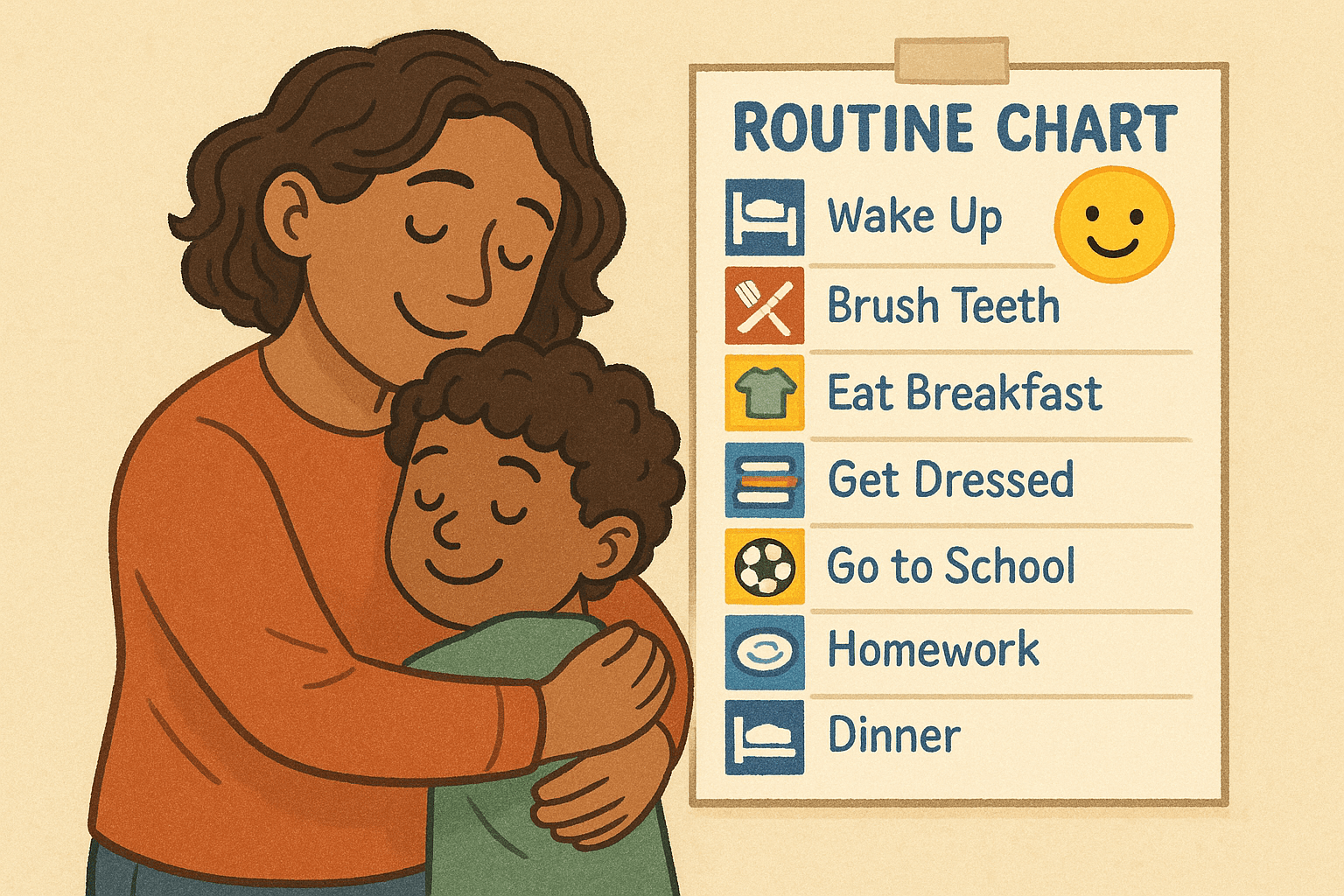
- Over-Scheduling: Avoid cramming too many activities into your child’s day. Balance is key to a healthy routine.
- Negative Reinforcement: Focus on positive reinforcement to encourage good behavior rather than punishment.
Middle Childhood (4-6 Years)
As children enter middle childhood, they refine their motor skills, develop friendships, and begin formal education. This stage is crucial for cognitive and emotional development.
Actionable Steps:
- Support Education: Encourage a love for learning by providing educational toys, books, and resources. Stay involved in their schooling.
- Encourage Physical Activity: Promote regular exercise and outdoor play, which are vital for physical health and social interaction.
- Teach Emotional Intelligence: Help your child identify and express their feelings. Discuss emotions openly to foster emotional literacy.
What to Avoid:
- Comparing to Peers: Every child develops at their own pace. Avoid comparisons that can lead to feelings of inadequacy.
- Ignoring Signs of Struggle: If your child shows signs of difficulty in school or social situations, seek professional guidance early.
Adolescence (7-12 Years)
Adolescence marks a period of significant change, with children developing a sense of identity, independence, and critical thinking skills. It’s essential to provide a supportive environment during this transformative stage.
Actionable Steps:
- Encourage Open Communication: Foster an environment where your child feels safe discussing their thoughts and feelings. Regular check-ins can help.
- Promote Healthy Friendships: Guide your child in building positive relationships and navigating peer pressure.
- Set Boundaries: Establish clear expectations and consequences. This helps children learn responsibility and accountability.
What to Avoid:
- Overprotection: Allow your child to make mistakes and learn from them. Overprotectiveness can hinder their growth and independence.
- Dismissive Attitudes: Validate your child’s feelings and experiences, even if they seem trivial to you. This builds trust and respect.
Frequently Asked Questions
What are some signs of healthy child development?
Healthy child development can be observed through a range of milestones appropriate for their age, including physical growth, social interactions, language skills, and emotional regulation. Regular check-ups with a pediatrician can help track these developments.
How can I support my child’s emotional development?
Supporting emotional development involves active listening, encouraging expression of feelings, and modeling healthy emotional responses. Engage in conversations about emotions and provide a safe space for your child to share their thoughts.
Conclusion
Understanding child growth and development is a journey that requires patience, empathy, and informed decision-making. By being aware of the stages of development and implementing practical strategies, you can nurture your child's potential and support their overall well-being. Remember, it’s okay to seek professional help if you have concerns about your child's development. Every child is unique, and your involvement as a parent can make a significant difference in their growth journey.
Call to Action
As you navigate the complexities of parenting, remember to celebrate the small victories and milestones along the way. Share your experiences with other parents, and consider joining parenting groups or forums to exchange insights and support. Together, we can create a nurturing environment for our children to thrive.