More Than a Game: How Youth Football Builds Confident, Capable Kids
Football isn't just about goals and glory. Discover the profound developmental benefits for your child, from teamwork to resilience, and learn how to support their journey with practical, age-appropriate guidance.
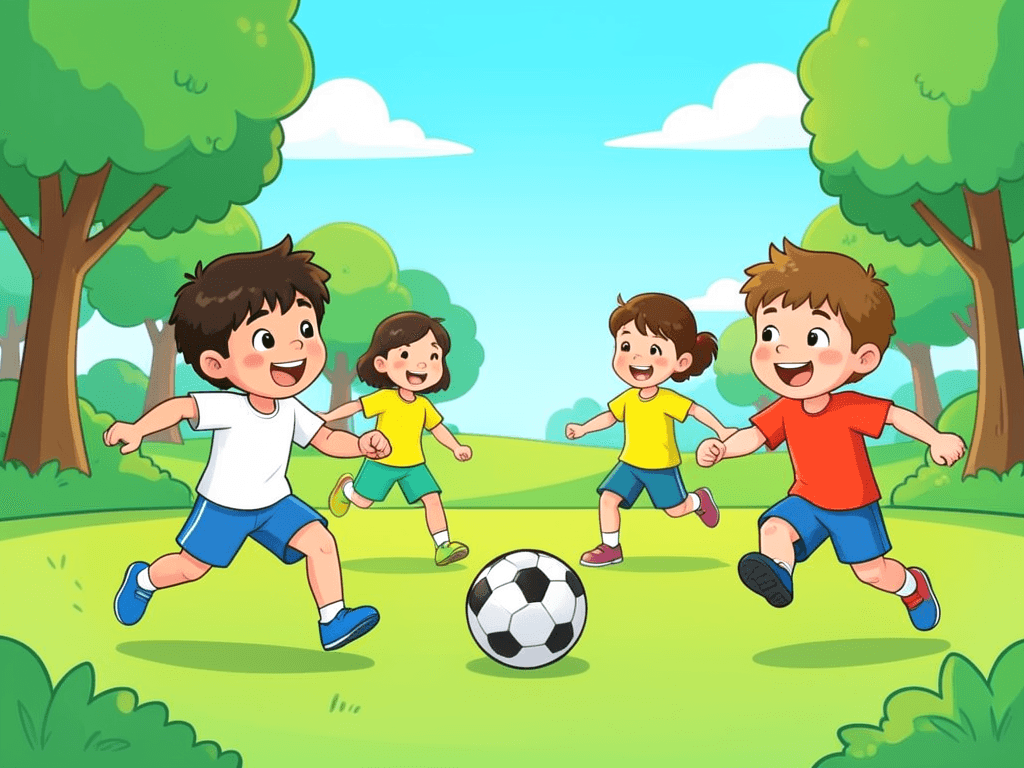
For many parents, the first image of children's football is a swarm of little legs chasing a ball across a muddy pitch. But look closer, and you'll see a powerful developmental laboratory in action. Beyond the physical exercise, football offers a unique social, emotional, and cognitive curriculum. It teaches children about cooperation in the midst of competition, resilience in the face of a missed shot, and joy in shared effort. This guide isn't about creating the next superstar; it's about using the beautiful game as a tool to nurture a well-rounded, happy, and healthy child. We'll move past the sidelines and into the practicalities of supporting your young player's journey.
The Foundational Benefits: More Than Physical Fitness
While the cardiovascular and motor skill advantages are clear, the deeper value lies in holistic development. Football inherently teaches spatial awareness as children learn to navigate a dynamic field. It cultivates executive function—they must make rapid decisions, adapt tactics, and control impulses. Socially, it's a masterclass in non-verbal communication and shared purpose. Emotionally, children learn to manage both winning and losing within a supportive framework. The pitch becomes a space where they practice life skills: perseverance, focus, and the ability to contribute to something larger than themselves.
Getting Started: Age-Appropriate Introduction (Ages 3-7)
For young children, the focus must be on fun and fundamental movement. Avoid formal teams, positions, or matches. Instead, create a playful environment.
* Ages 3-5: Use a soft, lightweight ball. Play simple games like "Red Light, Green Light" with a ball at their feet, or set up a goal (two cones) for them to kick through. Praise effort, not outcome. Keep sessions short (15-20 minutes).
* Ages 5-7: Introduce basic ball mastery: gentle passing with the inside of the foot, dribbling around objects, and shooting at a large goal. Play small-sided games like 2v2 with no goalkeepers. The rule is: everyone touches the ball often.
What to Avoid: Early specialization, intense drills, criticism for mistakes, and any emphasis on league standings. The goal is to build a positive association with the ball and physical activity.
Building Skills & Sportsmanship (Ages 8-12)
This is the golden age for skill acquisition. Children are more coordinated, able to understand simple tactics, and crave peer interaction.
* Skill Focus: Practice receiving passes, changing direction while dribbling, and accurate short passing. Use the "four-goal game": set up four small goals on the edges of a small pitch; teams can score in any of the two opposite goals, encouraging awareness.
* Sportsmanship Integration: Explicitly link skills to values. "A good pass is being a good teammate." "Shaking hands after the game is part of playing." Coach them to acknowledge a good play by the opposition.
* Quick Weekly Plan (for home practice):
* Monday: 20 mins of juggling (feet & thighs) – aim for personal bests.
* Wednesday: 25 mins of wall-ball – practice first-touch control and passing accuracy against a wall.
* Saturday: "Backyard Cup" – 30 mins of small-sided fun with family/friends, with a focus on trying a new move.
Navigating Team Dynamics & Emotional Highs/Lows
Teams are micro-societies. Your child may face playing time disputes, conflicts with peers, or performance anxiety. Empathize first, solve second. Use open-ended questions: "What was the hardest part of practice today?" Normalize frustration. If a conflict arises, guide your child to problem-solve first (e.g., talking to the coach respectfully) before intervening. Celebrate "effort goals"—like a great defensive effort or a perfect pass—as much as scoring goals. This builds an internal locus of control and resilience.
The Parent's Role: Supportive Sideline Strategies
Your conduct sets the emotional temperature. Be a quiet observer during play, offering only positive, general encouragement (e.g., "Great hustle!"). Debrief on the car ride home only if your child initiates; sometimes they just need quiet. Your job is to be the unconditional safe harbor, not an auxiliary coach. Facilitate their commitment by getting them to practice on time with the right gear, but let their motivation be their own. Connect with other parents to build a supportive community, not a gossip network.
Safety, Wellbeing, and Knowing When to Step Back
Physical Safety: Ensure proper hydration, well-fitting cleats (not passed-down oversized ones), and mandated shin guards. Understand basic concussion protocols—when in doubt, sit them out and seek a medical professional. Encourage cross-training (like swimming or cycling) in the off-season to prevent overuse injuries.
Emotional Wellbeing: Be alert for signs of chronic stress: reluctance to attend, sleep disturbances, or a drop in academic performance. A temporary dip in motivation is normal; sustained burnout is a sign to re-evaluate. The game should be a source of joy, not dread. If it becomes the latter, it's okay to take a season off or explore other activities.
What to Avoid: Common Pitfalls for Well-Meaning Parents
1. Live Coaching from the Sideline: It contradicts the coach and causes confusion and anxiety.
2. Rewarding Only Goals: This undervalues defenders, playmakers, and effort.
3. Comparing to Teammates: "Why can't you score like Jamie?" is deeply damaging.
4. Making It Your Dream: Your child's athletic journey is theirs, not a re-do of your own.
5. Overscheduling: Multiple teams and year-round play lead to physical and mental burnout.
6. Ignoring Their Voice: If they want to quit, have an open exploration of "why," rather than an immediate mandate to "finish what you started."
Frequently Asked Questions
Q: My child isn't very aggressive or competitive. Is football still a good fit?
A: Absolutely. Football needs all types: thoughtful playmakers, supportive defenders, and cooperative team players. A good coach values these traits. Frame it as a game of space, strategy, and skill, not just aggression. It can gently help a reserved child build assertiveness within a team structure.
Q: How do I handle a coach whose philosophy focuses only on winning?
A: First, observe if your child is still enjoying themselves and learning. If not, schedule a private conversation with the coach. Ask questions from a developmental perspective: "How do you ensure all players get meaningful playtime?" or "How do you handle mistakes during a game?" If the philosophy remains misaligned with your child's needs, it may be best to seek a different team environment next season.
Q: My child wants to practice constantly. How much is too much?
A: Passion is wonderful, but the body needs rest. For pre-adolescent children, enforce at least 1-2 full rest days per week with no structured sport. Encourage other hobbies to create a balanced identity. Monitor for nagging pains that don't go away with rest—these require a check-up with a physiotherapist or doctor specializing in youth sports medicine to prevent serious overuse injuries.
The Final Whistle
Children's football, at its best, is a celebration of movement, friendship, and growth. Your role is not to be the architect of their career, but the gardener of their experience—providing the right conditions, protecting them from harsh elements, and then standing back to watch them bloom. The skills they score are not just on the pitch, but within themselves: confidence, resilience, and teamwork that will last a lifetime. The most important question after a match isn't "Did you win?" but "Did you have fun, and what did you learn today?"
Ready to support your child's journey? Start this week by kicking a ball with them in the garden, with no instructions, no corrections—just play. Reconnect with the simple joy of the game, and let that be your guide.