The Importance of Sports in Child Development: A Parent's Guide
Explore the multifaceted benefits of children's sports, including physical health, social skills, and emotional resilience. Learn how to support your child's athletic journey effectively.
Introduction
Engaging in sports is more than just a fun pastime for children; it plays a pivotal role in their overall development. From enhancing physical health to fostering social skills and emotional resilience, participating in sports offers a multitude of benefits. As parents, understanding these advantages and knowing how to support your child's athletic journey can create a positive impact that lasts a lifetime.
The Physical Benefits of Sports
Children's sports contribute significantly to physical health. Regular physical activity helps in:
- Building Strength and Endurance: Engaging in sports helps children develop muscle strength, improve cardiovascular health, and enhance overall endurance. Activities like running, swimming, or playing soccer promote a healthy lifestyle.
- Maintaining Healthy Weight: With increasing rates of childhood obesity, sports can be an effective way to keep children active and maintain a healthy weight. Encouraging outdoor play and participation in team sports can combat sedentary behaviors.
- Enhancing Coordination and Motor Skills: Sports often require various physical skills, such as hand-eye coordination and balance. These skills are crucial for children as they grow and can improve their performance in other areas of life, including academics.
Actionable Steps:
- Encourage your child to engage in at least 60 minutes of physical activity every day.
- Choose sports that align with your child's interests to keep them motivated.
What to Avoid:
- Don’t pressure your child to excel in a sport; this can lead to burnout or a negative association with physical activity.
- Avoid overly competitive environments that may overshadow the joy of participation.
Social Skills Development Through Sports
Participating in sports provides children with valuable opportunities to develop essential social skills:
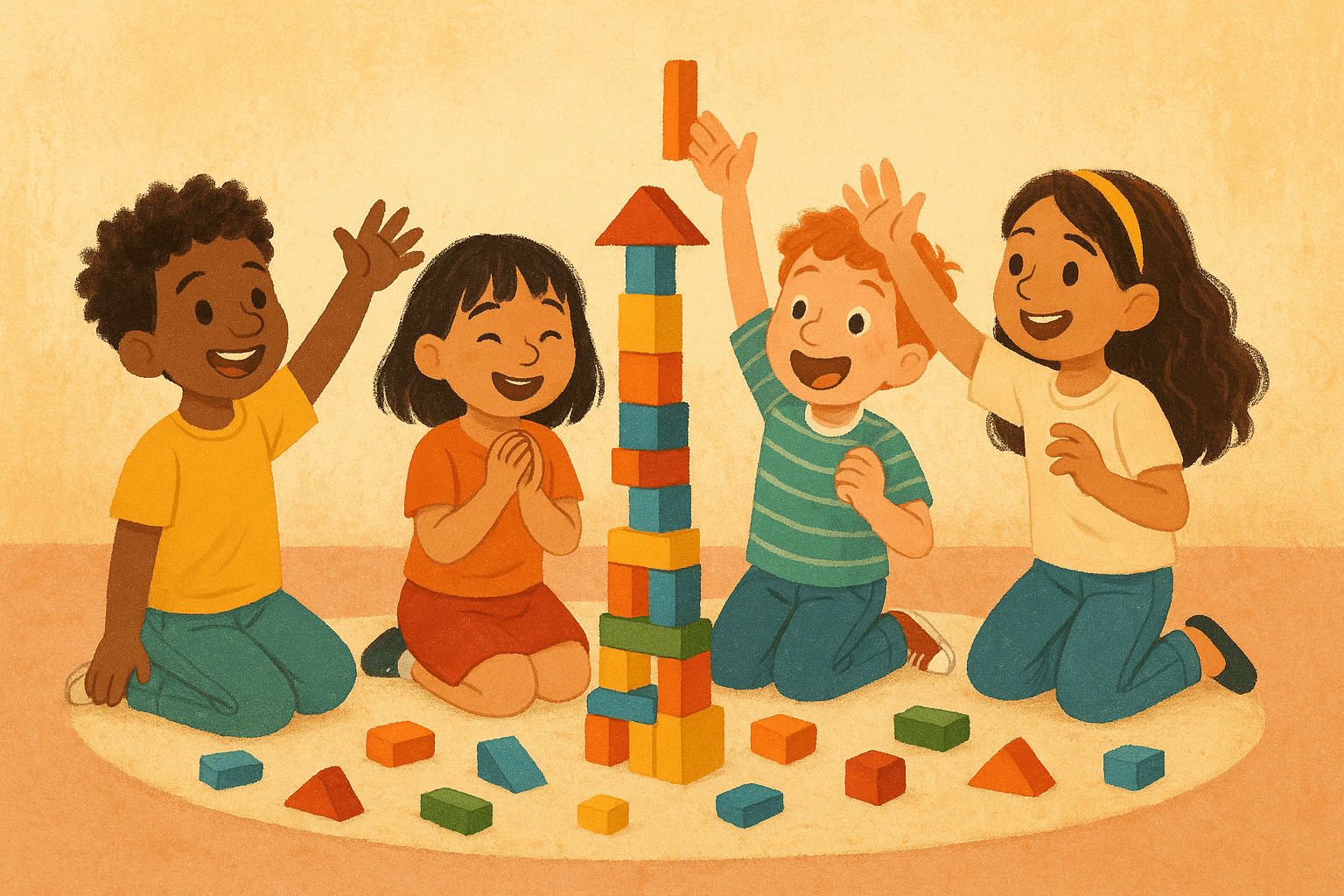
- Teamwork and Cooperation: Sports often require children to work together towards a common goal. This fosters a sense of teamwork and teaches them how to cooperate with others, which is vital in both sports and life.
- Communication Skills: Team sports encourage children to communicate effectively with teammates, coaches, and opponents. This practice can enhance their verbal skills and boost their confidence in social situations.
- Conflict Resolution: Sports can sometimes lead to disagreements or competition. Learning to handle these situations gracefully teaches children how to resolve conflicts and navigate relationships.
Actionable Steps:
- Encourage your child to join team sports or group activities to enhance their social interactions.
- Discuss the importance of respect and communication with your child before and after games.
What to Avoid:
- Don’t allow negative behavior, such as bullying or unsportsmanlike conduct, to go unaddressed. Teach your child the importance of respect.
- Avoid isolating your child from team activities if they struggle; instead, support them in developing their skills and confidence.
Emotional Resilience and Confidence
Sports can significantly contribute to a child's emotional well-being:
- Building Self-Esteem: Achieving personal goals in sports, whether big or small, can boost a child's self-esteem. Celebrating these achievements reinforces their belief in their abilities.
- Coping with Failure: Sports teach children how to handle setbacks. Learning to lose gracefully and bounce back from disappointments is a crucial life skill that contributes to emotional resilience.
- Stress Relief: Physical activity is known to reduce stress and anxiety levels. Regular participation in sports can provide an outlet for children to express their emotions and manage stress effectively.
Actionable Steps:
- Celebrate both successes and efforts, emphasizing the importance of trying hard.
- Encourage your child to talk about their feelings regarding competition, helping them to process emotions constructively.
What to Avoid:
- Don’t dismiss your child’s feelings of disappointment; instead, validate their emotions and help them find constructive ways to cope.
- Avoid comparing your child’s performance to others, as this can undermine their confidence.
Choosing the Right Sport for Your Child
Selecting the right sport can enhance your child's experience:
- Interests and Preferences: Pay attention to your child's interests. If they enjoy running, consider track and field; if they love water, swimming might be the way to go. Aligning sports with their preferences will keep them engaged.
- Physical Ability: Consider your child's physical capabilities and choose a sport that matches their skill level. Starting with less competitive options can help them build confidence before moving on to more challenging activities.
- Time Commitment: Be mindful of your family's schedule. Choose sports that fit within your time constraints to avoid overwhelming your child.
Actionable Steps:
- Discuss with your child what sports they are interested in and explore local options together.
- Allow your child to try different sports before committing to one, as this can help them find their passion.
What to Avoid:
- Don’t force your child into a sport you enjoyed as a child; their interests may differ.
- Avoid overcommitting to multiple sports, which can lead to burnout.
FAQ
Q1: How can I help my child if they are struggling in sports?
A1: First, ensure they know that it's okay to struggle and that improvement takes time. Encourage them to practice and focus on enjoying the process rather than just the outcome. If needed, consider seeking advice from coaches or enrolling them in skill-building clinics.
Q2: What if my child doesn't want to participate in sports?
A2: Respect your child's feelings and explore other physical activities that may interest them, such as dance, martial arts, or individual sports. The goal is to encourage a love for movement rather than forcing participation in traditional team sports.
Conclusion
Engaging your child in sports can be a rewarding experience that fosters physical health, social skills, and emotional resilience. By supporting their journey in a positive and constructive manner, you can help them develop a lifelong love for physical activity. Remember, the ultimate goal is to promote a healthy, active lifestyle that they can carry into adulthood.
Call to Action
Encourage your child to explore different sports and physical activities. Join them in their journey by participating in family sports days or simply enjoying outdoor play together. Your support can make all the difference in their athletic journey and overall development.