The Foundation of Learning: Understanding Early Childhood Education
Explore the significance of early childhood education, its impact on development, and actionable steps for parents to support their child's learning journey.
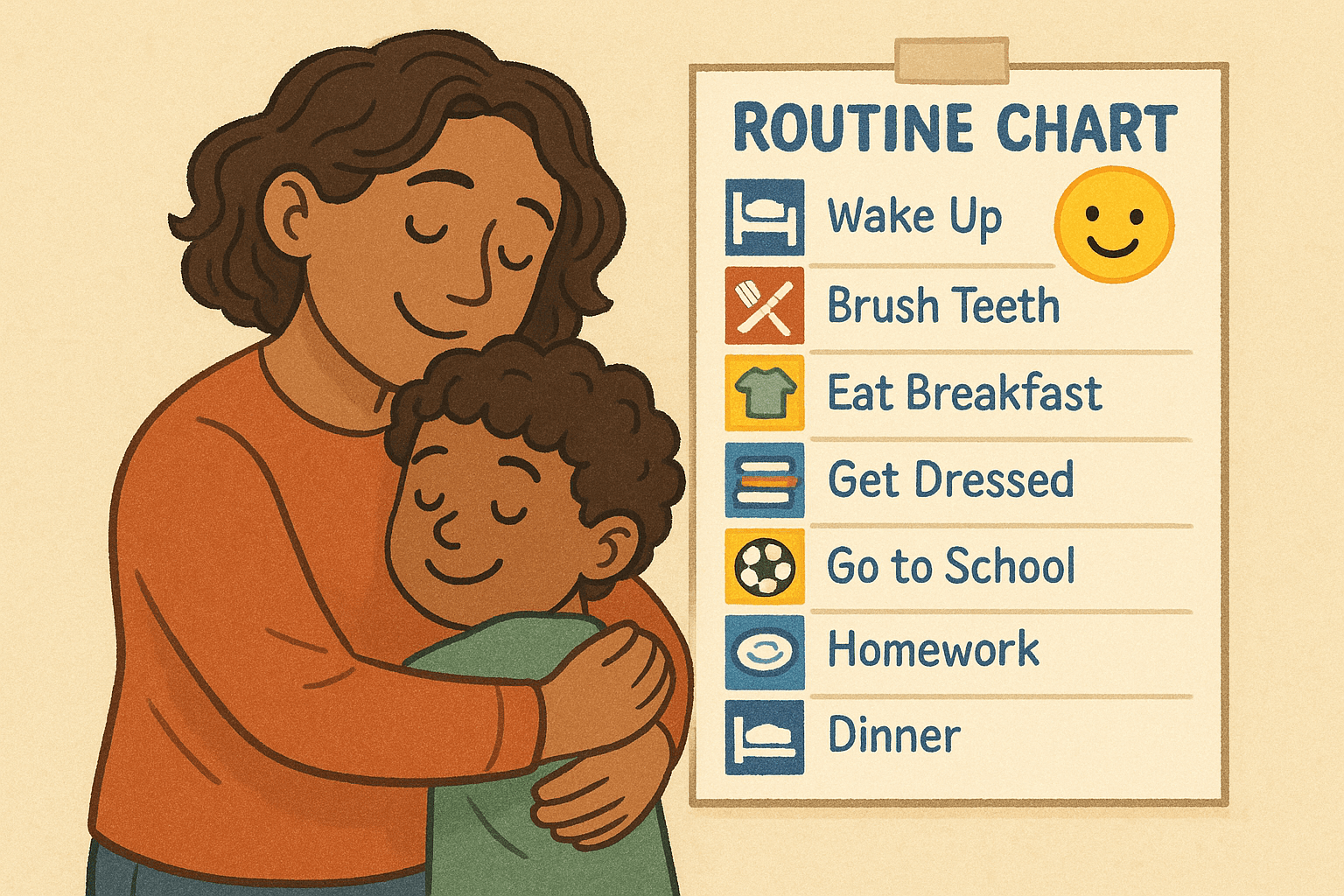
Early childhood education (ECE) is a crucial phase in a child's development, laying the groundwork for lifelong learning, emotional growth, and social skills. As parents, understanding the principles of ECE can empower you to support your child’s educational journey effectively. This blog post will delve into the importance of early childhood education, the different approaches available, and practical steps you can take to enhance your child's learning experience.
What is Early Childhood Education?
Early childhood education refers to formal and informal educational programs designed for children from birth to around eight years of age. This period is critical as it encompasses the rapid brain development and formative experiences that shape a child's future. ECE programs can vary widely, from structured preschool settings to more flexible home-based learning environments.
Benefits of Early Childhood Education
1. Cognitive Development: Engaging in early learning activities promotes critical thinking, problem-solving, and language skills. Children exposed to rich educational experiences tend to perform better academically later on.
2. Social Skills: ECE helps children learn to interact with peers and adults, fostering essential social skills like sharing, cooperation, and conflict resolution.
3. Emotional Growth: Early education environments can provide children with the tools to understand and express their emotions, leading to better emotional regulation as they grow.
4. Preparation for School: Children who attend early education programs are often more prepared for the structured environment of primary school, making transitions smoother.
Different Approaches to Early Childhood Education
Understanding the various approaches to ECE can help you choose the right environment for your child. Here are some of the most recognized methods:
Montessori Method
The Montessori approach emphasizes child-led learning, allowing children to explore their interests at their own pace. This method encourages independence and critical thinking through hands-on activities and collaborative play.
Reggio Emilia Approach
Originating in Italy, this approach views children as capable and resilient, focusing on their potential and creativity. The Reggio Emilia philosophy encourages exploration and expression through various forms of art and communication.
Waldorf Education
Waldorf education integrates academics with artistic and practical activities, emphasizing imagination and creativity. It nurtures a child’s holistic development, promoting emotional and social growth alongside intellectual learning.
HighScope Approach
HighScope is a research-based curriculum that emphasizes active participatory learning. Children are encouraged to plan, carry out, and review their activities, fostering decision-making and problem-solving skills.
Practical Steps for Parents to Support Early Learning
As a parent, you play a vital role in your child's early education. Here are some actionable steps you can take:
1. Create a Learning Environment: Set up a dedicated space at home for learning activities. Include books, art supplies, and educational toys that stimulate curiosity and creativity.
2. Engage in Daily Activities: Incorporate learning into everyday tasks. Cooking can teach measurements, while grocery shopping can introduce concepts of counting and budgeting.
3. Read Together: Establish a daily reading routine. Reading to your child not only enhances language skills but also fosters a love for storytelling and imagination.
4. Encourage Play: Play is a natural way for children to learn. Provide opportunities for both structured and unstructured play, allowing children to explore, create, and socialize.
5. Limit Screen Time: While technology can be educational, excessive screen time can hinder development. Set boundaries to ensure that your child engages in more interactive and physical activities.
What to Avoid in Early Childhood Education
While supporting your child's education, be mindful of certain pitfalls:
1. Over-Scheduling: Avoid overscheduling your child with too many activities. Children need downtime to relax and process their experiences.
2. Comparing with Peers: Every child develops at their own pace. Comparing your child's progress with others can lead to unnecessary stress for both you and your child.
3. Neglecting Emotional Needs: Remember that emotional development is as important as cognitive growth. Be attentive to your child's feelings and provide a safe space for them to express themselves.
4. Ignoring Professional Guidance: If you notice developmental delays or behavioral concerns, seek professional advice. Early intervention can be crucial in addressing potential issues.
Frequently Asked Questions
What age is best to start early childhood education?
There is no one-size-fits-all answer, as children develop at different rates. However, starting ECE around age 3 can provide significant benefits. It's essential to consider your child's readiness and comfort level when deciding.
How can I choose the right early childhood education program?
Research various programs in your area, visit their facilities, and ask about their curriculum and teaching philosophy. Trust your instincts and choose a program that aligns with your values and meets your child's needs.
Conclusion
Early childhood education is a vital investment in your child's future. By understanding its importance, exploring different educational approaches, and actively engaging in your child's learning journey, you can create a supportive environment that fosters growth and development. Remember, every child is unique, and your involvement plays a crucial role in their educational success. Embrace this exciting journey with patience and love.
Call to Action
Ready to support your child's early learning journey? Start today by creating a nurturing environment and engaging in fun educational activities together. Share your experiences and tips in the comments below, and let’s build a community of supportive parents dedicated to fostering early childhood education!