The Heart of Homeschooling: Building a Nurturing and Effective Learning Environment at Home
Homeschooling is more than a curriculum—it's a deliberate choice to weave learning into the fabric of family life. This guide offers practical steps, age-specific strategies, and compassionate wisdom for the journey.

Choosing to homeschool is a profound commitment to your child's education, one that moves learning from a classroom into the heart of your home. It’s not merely replicating school at the kitchen table; it’s about discovering a rhythm of learning that honors your child’s unique pace, passions, and potential. This path can feel daunting, but with thoughtful planning and an empathetic approach, it can foster deep connection, resilience, and a lifelong love of learning. This guide provides evidence-informed, practical strategies to help you build a sustainable and joyful homeschooling experience.
Laying Your Foundation: The First Crucial Steps
Before selecting a single textbook, start with reflection. Clarify your "why." Are you seeking more flexibility, a tailored approach to learning differences, or a specific philosophical alignment? This core motivation will be your anchor on challenging days. Next, understand your local legal requirements, as regulations for notification, curriculum, and assessment vary widely. Connect with local or online homeschooling communities for region-specific guidance. Finally, dedicate a week to observation. Note your child's natural energy peaks, how they engage with puzzles or stories, and what sparks their curiosity. This insight is your first, best curriculum guide.
Crafting Your Learning Rhythm: Consistency Over Rigidity
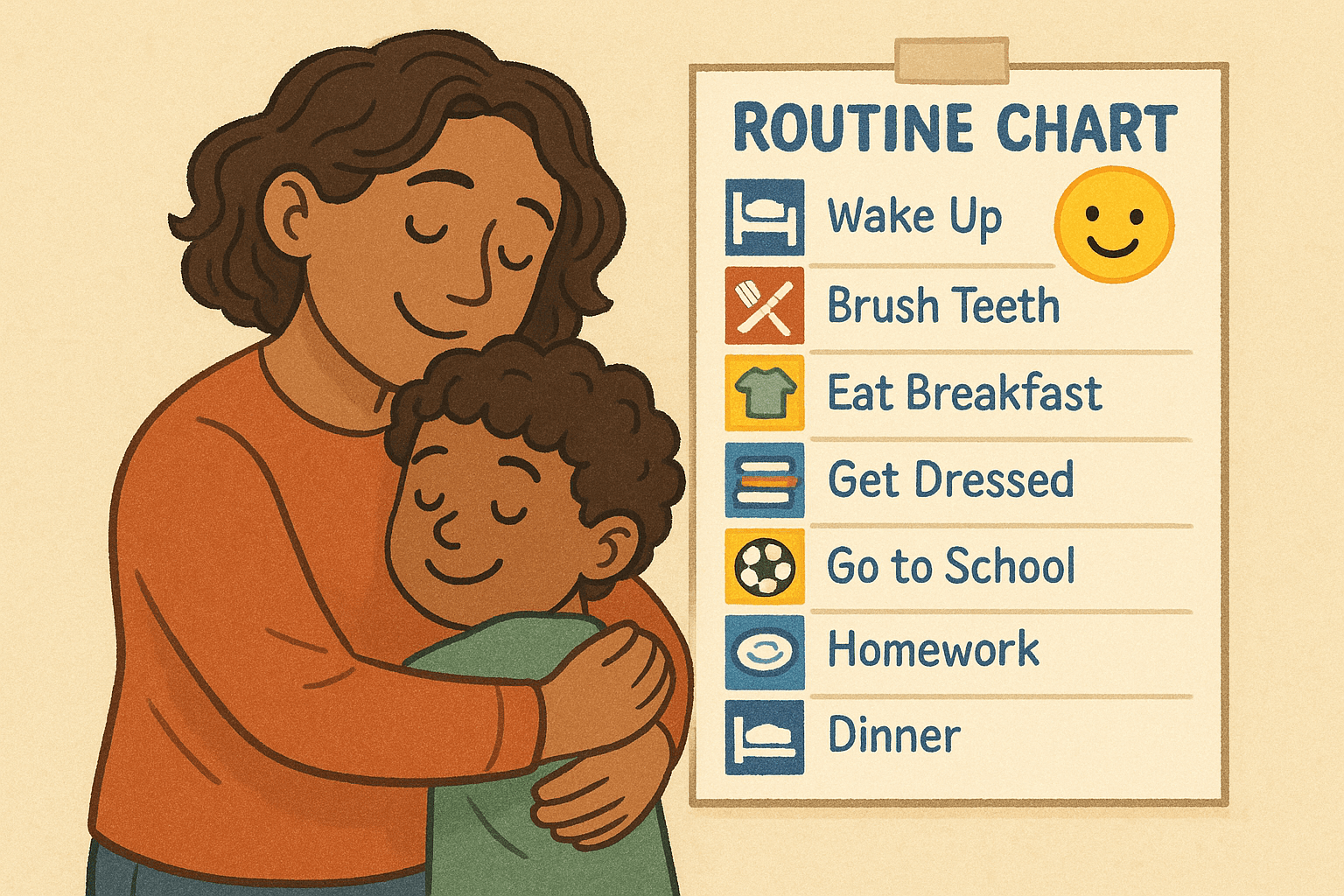
Consistency in homeschooling is about predictable rhythms, not military precision. Establish a flexible framework for your days. A visual schedule (using pictures for younger children) provides security. Start with a simple morning "anchor"—like reading together or a nature walk—to signal the beginning of learning time. Designate specific areas for focused work, creative projects, and quiet reading, even if it's just different corners of a room. Consistency grows from these gentle rituals, not from forcing a strict, school-like timetable that may not suit your family's natural flow.
Age-Banded Approaches: Tailoring Your Days
**Ages 5-7 (The Exploratory Years)**
Focus on short, playful bursts (15-20 minutes) of literacy and numeracy woven into play. Count LEGO bricks, sound out words on grocery labels, and read aloud abundantly. Learning is sensory: use sand trays for writing, bake to explore measurement, and spend ample time outdoors. Avoid formal worksheets for hours; their primary work is play.
**Ages 8-11 (The Building Years)**
Children can engage in deeper project-based learning. Let a fascination with Egyptians lead to building a pyramid model, writing a short play, and calculating its base dimensions. Introduce a simple planner to help them manage 2-3 core subjects daily. Social connections become crucial; seek out cooperative learning groups or clubs. Avoid isolating them or neglecting the development of independent work habits.
**Ages 12+ (The Independent Years)**
Your role shifts toward mentor and facilitator. Help them design their own weekly goals, use digital tools for research, and pursue apprenticeships or online courses. Encourage deep dives into passions, whether coding, writing novels, or community service. Avoid micromanaging their every task; instead, hold weekly check-ins to provide guidance and resources.
What to Avoid: Common Pitfalls and How to Sidestep Them
1. Avoid Comparing: Your homeschool will not look like your neighbor's, your child's former school, or the idealized version on social media. Comparison is the thief of joy and progress.
2. Avoid Over-Scheduling: Filling every minute with structured activity leads to burnout for you and your child. Protect white space for boredom, which often breeds creativity.
3. Avoid Isolating Yourself: Homeschooling requires a support network. Connect with other families for shared activities and mutual encouragement.
4. Avoid Confusing Busywork with Learning: A page filled with correct answers is not always equal to understanding. Prioritize mastery and application over volume.
5. Avoid Neglecting Your Needs: You cannot pour from an empty cup. Schedule time for your own rest and interests.
A Quick, Flexible Weekly Plan (Ages 7-10 Example)**
* Monday: Math Monday. Hands-on math games, cooking fractions, and 30 minutes of a core math program. Afternoon science experiment.
* Tuesday: Library & Writing Day. Trip to the library. Work on a journal entry or short story. Focus on process, not perfection.
* Wednesday: Project Day. Deep dive into a history or science project. Build, create, and research.
* Thursday: Community Day. Meet with homeschool co-op for group art or nature study. Errands and practical life skills.
* Friday: Review & Enrichment. Finish week's projects, educational games, art, or field trip. Reflect on what worked well.
Nurturing Social & Emotional Growth
Socialization in homeschooling is intentional and varied. It happens through mixed-age interactions in co-ops, community sports teams, music classes, park meet-ups, and volunteering. Facilitate opportunities for your child to navigate friendships and group dynamics in these settings. Emotionally, the close quarters of homeschooling require you to be attuned to frustration and anxiety. Teach and model emotional literacy—naming feelings and using calm-down strategies. If you notice persistent signs of distress, social withdrawal, or learning challenges that you feel unequipped to address, do not hesitate to seek guidance from a child psychologist or educational therapist.
Balancing Structure with Spontaneity
The beauty of homeschooling lies in its responsiveness. When a child is deeply engrossed in a book, it’s okay to let the math lesson wait. If a rainy morning begs for blanket forts and hot chocolate, learning can happen there. Use your weekly plan as a map, not a chain. Successful homeschooling families often have a clear but minimal set of "non-negotiables" for the week (e.g., daily reading, core math concepts) and allow ample room for rabbit trails and spontaneous discovery within that framework.
Frequently Asked Questions
Q: What should parents do first when considering homeschooling?
A: Begin with introspection and research. First, articulate your core reasons and goals. Then, thoroughly research the legal requirements in your jurisdiction. Simultaneously, spend a week observing your child's natural learning style and rhythms without the pressure of formal instruction. These three steps—knowing your why, knowing the rules, and knowing your child—create an essential foundation.
Q: How can families stay consistent at home without burning out?
A: Focus on rhythm, not rigidity. Implement simple, repeatable anchors in your day (like morning read-aloud) to provide structure. Use a visual schedule so everyone knows the flow. Most importantly, build in regular breaks for yourself and your child, and protect at least one day a week as a "reset" day with minimal planned academics. Consistency is about returning to the rhythm after an off-day, not about perfect adherence.
Q: How do I know if my child is "on track" academically?
A: Use multiple measures. Standardized tests, if required or chosen, offer one data point. More importantly, look for mastery and application. Can they explain a concept back to you? Use it in a project? Demonstrate growth over time? Portfolios of work, narrative assessments, and your own observations are powerful tools. If you have concerns about developmental milestones or significant learning gaps, consult with an educational professional for an evaluation.
Your Journey Awaits
Homeschooling is a dynamic partnership in learning—a journey that will challenge and reward you in equal measure. It asks you to see the world as your classroom and your child not as a vessel to fill, but as a flame to light. Start small, trust your deep knowledge of your child, and remember that connection is the cornerstone of all true education. You are not alone; a vast community of families walks this path. Take a deep breath, gather your resources, and take the first step.