Beyond the Screen: A Practical Guide to Managing Your Child's Digital World
Screen time isn't just about minutes. It's about connection, behavior, and building a healthy relationship with technology. This guide offers a compassionate, evidence-based approach to navigating the digital landscape with your child.

Let's be honest: screens are a part of our family lives. They can be a source of wonder, education, and connection, but also a battleground for tantrums, negotiations, and guilt. If you've ever felt overwhelmed by the question of "how much is too much?" you're not alone. This isn't about achieving a perfect, screen-free existence. It's about moving from a mindset of restriction to one of intentional management. Our goal is to help our children develop a healthy, balanced relationship with technology—one that supports their behavior, development, and our family bonds.
Understanding the 'Why' Behind Screen Struggles
Before setting rules, understand the pull. Screens provide instant, predictable rewards. For a child struggling with boredom, frustration, or social anxiety, a tablet is a powerful escape. When we yank it away, we're not just removing a device; we're ending that escape, which often leads to meltdowns. Viewing challenging behavior around screens as a communication of need—for stimulation, calm, or connection—is the first step toward a more empathetic and effective strategy.
Building Your Family Media Plan (By Age)
A one-size-fits-all rule doesn't work. Your plan should evolve with your child.
* Toddlers (18 months - 3 years): Prioritize hands-on play. If you choose to introduce screens, make it co-viewing. Sit together, talk about what you see ("Look at the red ball!"), and keep it very short (10-15 minutes). Avoid solo viewing.
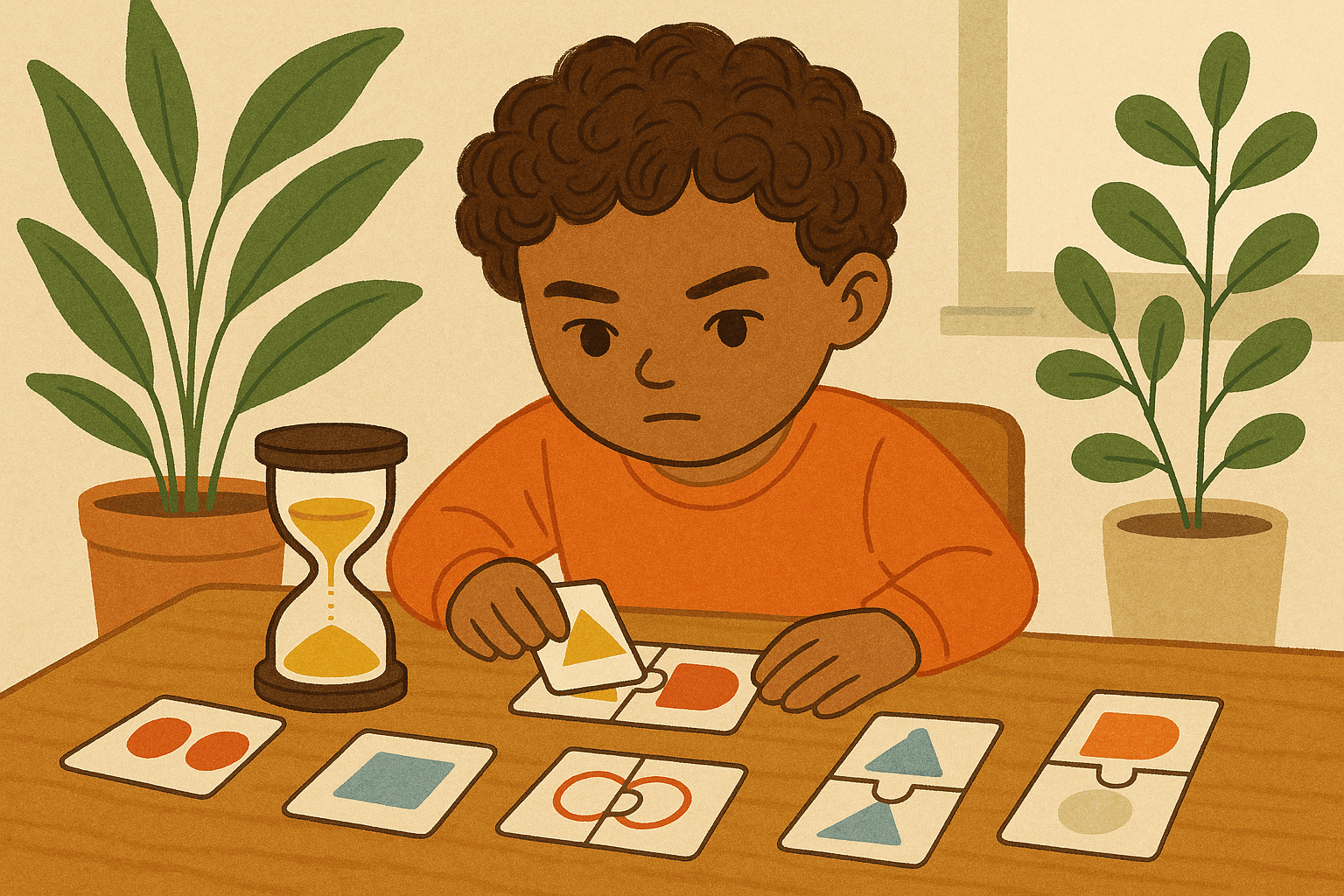
* Preschoolers (3-5 years): Set clear, consistent limits (e.g., one 20-minute show after nap). Quality is key. Choose slow-paced, educational content. Use a visual timer to signal the end of screen time without surprise.
* School-Age (6-12 years): Shift to teaching self-regulation. Collaborate on a weekly plan that balances screen time with other activities. Begin discussing online safety, kindness, and digital footprints. Consider tech-free zones like the dinner table and bedrooms.
* Teens (13+): Focus on balance and responsibility. Screens are integral to their social lives. Talk about time management, the difference between passive scrolling and active creation, and the importance of "offline" recharge. Negotiate boundaries around device use at night.
The Power of Routines and Rituals
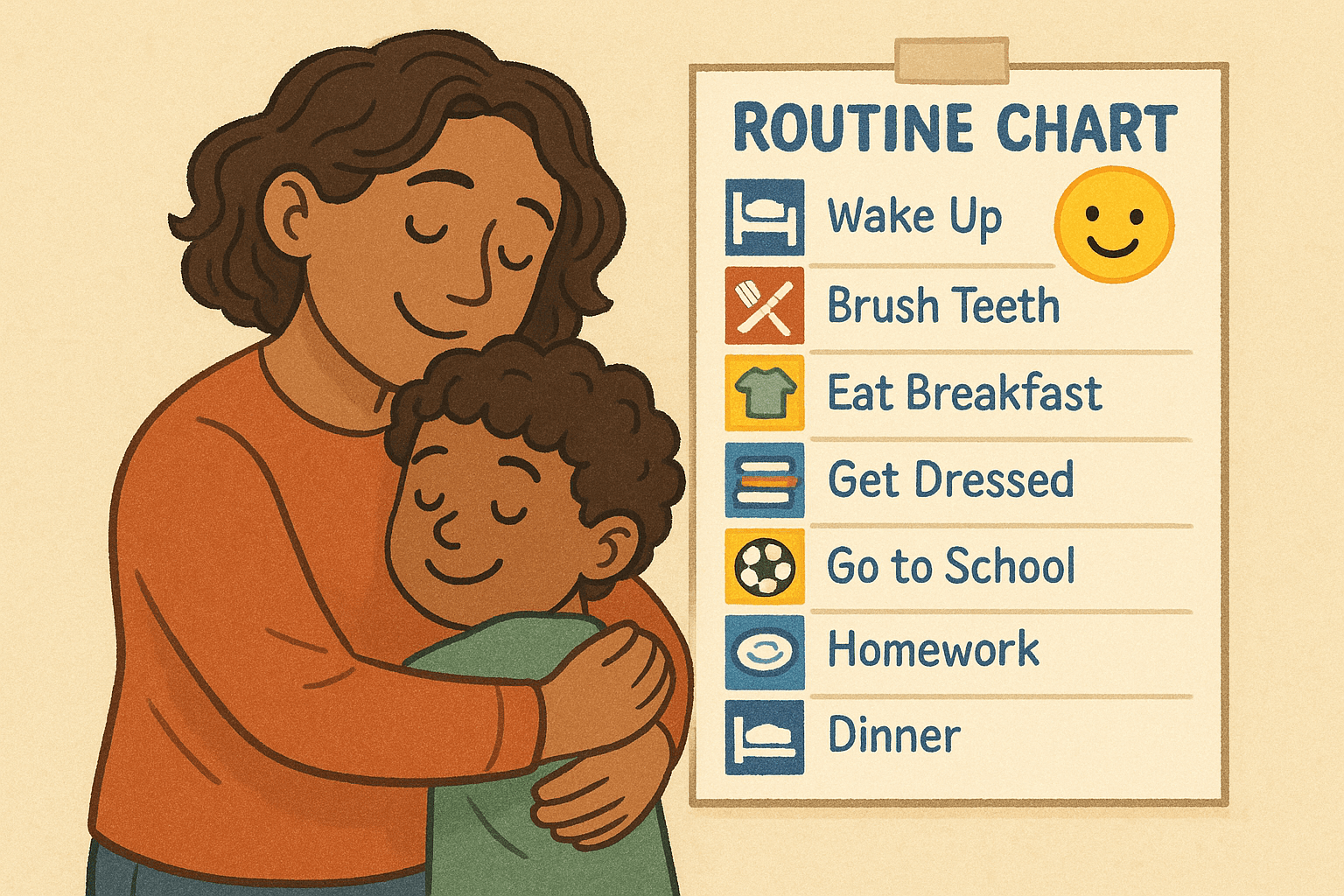
Structure prevents power struggles. Anchor screen time to predictable points in the day, never as a default for boredom.
* Strong Routine Example: "After we finish our homework and have played outside for 30 minutes, you can have your 30 minutes of game time."
* Tech-Free Rituals: Protect key connection times. Make meals, the first 15 minutes after coming home, and the bedtime routine (at least 60 minutes before sleep) screen-free for everyone.
What to Avoid: Common Pitfalls That Backfire
* Avoid Using Screens as the Primary Pacifier. It's tempting to hand over a phone during a meltdown, but this teaches children to suppress emotions rather than process them.
* Avoid Taking Away Screens as a Go-To Punishment. This can make them more desirable and lead to secretive use. Tie consequences directly to behavior (e.g., misuse of a social app means losing privileges on that app, not all screen time).
* Avoid Background TV. Having the television on, even if "no one is watching," disrupts focused play and parent-child interaction.
* Avoid Screens Before Bed. The blue light suppresses melatonin, disrupting sleep cycles. Charge all family devices in a common area overnight.
The 'What Else?' Principle: Filling the Time
Reducing screen time only works if you fill the vacuum with appealing alternatives. This is the most crucial step.
* For Young Kids: Create a "Boredom Box" with art supplies, building toys, or dress-up clothes.
* For All Ages: Stock up on accessible play materials (cardboard boxes, magnets, books). Schedule regular non-negotiable outdoor time. Foster a hobby that involves making something tangible.
Modeling the Behavior You Want to See
Our children are watching us. If we are constantly checking our phones during conversations or scrolling in bed, our words about limits lose their power. Practice declared device-free time ("I'm putting my phone away for the next hour so we can play board games"). Show them what engaged, offline living looks like.
Quick Weekly Plan for a Balanced Digital Diet
* Monday: Family Meeting. Collaboratively plan the week's screen time, including any special movie nights.
* Tuesday: Tech-Free Tuesday. Aim for a full evening with no screens for anyone. Play games, read, or go for a walk.
* Wednesday: Creative Screen Time. Choose an activity where the screen is a tool, not a passive consumpion—like coding a simple game, making a digital story, or video-calling a relative.
* Thursday: Outdoor Focus. Prioritize physical activity after school/work. Screens only after outdoor time is complete.
* Friday/Saturday: Shared Viewing Night. Watch a movie or show together. This makes media a social, connective experience.
* Sunday: Device Reset. Charge all devices in the common area. Help kids organize their digital spaces (delete old photos, close unused tabs).
When to Seek Additional Support
Most screen-time challenges are manageable with consistent, calm strategies. However, if your child shows extreme aggression when screens are removed, is sacrificing sleep, hygiene, or real-world friendships for screen use, or if you notice a significant decline in mood or school performance linked to their digital life, it may be time to consult your pediatrician or a child mental health professional. They can help rule out underlying issues like anxiety, ADHD, or depression.
FAQ: Your Top Questions, Answered
Q: My child says 'all my friends' have more screen time. How do I respond?
A: Empathize first: "It can feel really hard when your rules are different." Then, calmly state your family values: "In our family, we believe in balancing screen time with other important things like playing outside and family time. Every family makes different choices." Avoid debating or justifying excessively.
Q: What about educational apps and games? Do they count?
A: Yes, they count toward total screen time. While the quality of content matters, the medium itself—the close-up, interactive light—still impacts the brain, eyes, and sleep patterns. Balance even high-quality screen time with ample non-screen activities.
Q: I lost my temper and took the tablet away for a week. Now what?
A: It happens to the best of us. Repair the rupture. You could say, "I was really frustrated earlier and I gave a consequence that was too big and too long. Let's talk about a fairer consequence for what happened, and how we can both do better next time." This models accountability and problem-solving.
Your Next Step: Start With Connection
This week, don't start by taking something away. Start by adding something in. Before you discuss any new screen rules, invest in 15 minutes of uninterrupted, joyful connection with your child each day—no phones, no agendas. Play a game, toss a ball, or just talk. When the emotional bank account is full, cooperation around limits becomes easier. Your calm, consistent presence is the most powerful tool you have in navigating the digital world together.