Navigating Online Learning for Kids: A Parent's Guide
Online learning can be a rewarding experience for children when approached thoughtfully. Discover practical strategies to support your child's educational journey in the digital realm.
As the landscape of education continues to evolve, online learning has become an integral part of children’s educational experiences worldwide. Whether due to necessity or choice, many parents find themselves exploring this new frontier. The flexibility and accessibility of online learning can offer unique opportunities for children, but it also comes with its own set of challenges. In this guide, we will discuss practical strategies to support your child’s online learning journey, along with common pitfalls to avoid.
Understanding Online Learning
Before diving into the practicalities, it’s essential to understand what online learning entails. Online learning encompasses various formats, including live classes, recorded lessons, interactive modules, and educational games. This diversity allows children to engage with material in ways that suit their learning styles.
Benefits of Online Learning
- Flexibility: Children can learn at their own pace, revisiting challenging topics as needed.
- Accessibility: Resources are often available 24/7, making it easier for children to explore subjects that interest them.
- Diverse Learning Materials: Online platforms often provide multimedia resources, catering to different learning preferences.
Challenges of Online Learning
- Distractions: The digital environment can be filled with distractions, making it harder for children to focus.
- Limited Social Interaction: Online learning can reduce opportunities for face-to-face interaction with peers.
- Screen Fatigue: Prolonged screen time can lead to fatigue and decreased engagement.
Setting Up a Productive Learning Environment
Creating a conducive learning environment is crucial for your child’s success in online learning. Here are some actionable steps to consider:
1. Designate a Learning Space
Choose a quiet, comfortable area in your home as a dedicated learning space. Ensure it is well-lit and free from distractions. This space should be equipped with all necessary materials, such as a computer, notebooks, and stationery.
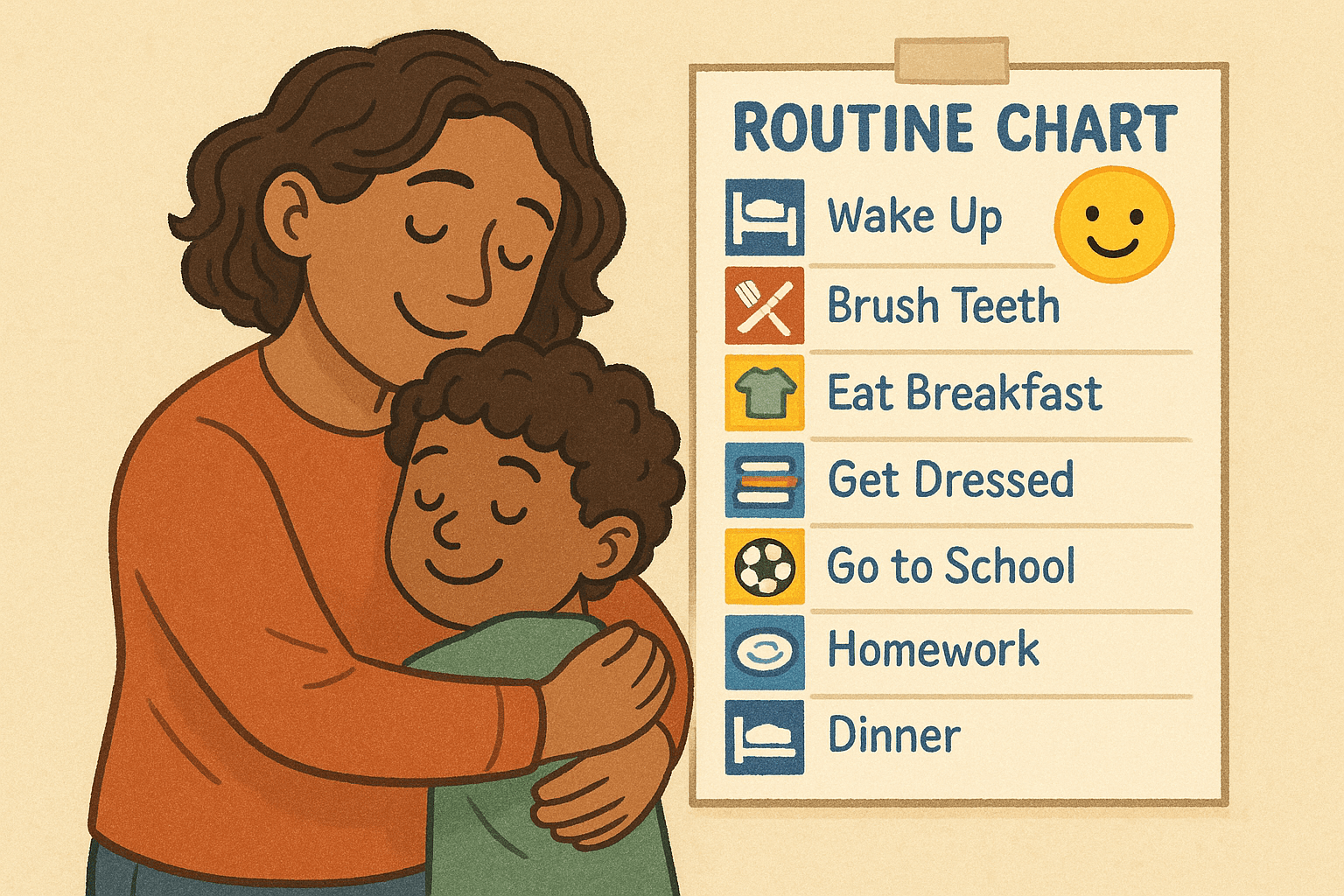
2. Establish a Routine
Children thrive on routine. Set a consistent schedule that includes dedicated learning times, breaks, and time for physical activity. This structure helps children know what to expect and can enhance their focus.
3. Encourage Breaks
Incorporate regular breaks into your child’s learning schedule. Short breaks can help refresh their minds and prevent burnout. Encourage them to engage in physical activities or hobbies during these breaks.
Supporting Your Child’s Learning
As a parent, your role in your child’s online learning experience is vital. Here are some strategies to support their educational journey:
1. Stay Involved
Regularly check in on your child’s progress and engagement with their online courses. Ask them about what they are learning and encourage them to share their thoughts. This involvement shows your child that you value their education and are there to support them.
2. Foster Independence
While it’s important to be involved, also encourage your child to take ownership of their learning. Allow them to set goals and manage their time. This independence fosters responsibility and self-motivation.
3. Communicate with Educators
Maintain open lines of communication with your child’s teachers or online instructors. They can provide valuable insights into your child’s progress and offer additional resources tailored to your child’s needs.
Addressing Challenges and Concerns
Despite your best efforts, challenges may arise during your child’s online learning journey. Here are some common issues and how to address them:
1. Distraction Management
If your child struggles with distractions, consider implementing strategies to minimize them. This may include using apps that limit access to distracting websites or establishing clear boundaries around device usage during learning times.
2. Social Interaction
To combat feelings of isolation, encourage your child to engage in virtual study groups or online clubs. Finding opportunities for social interaction, even in a digital format, can help maintain their social skills and emotional well-being.
Frequently Asked Questions
Q1: How can I help my child if they are struggling with online learning?
A1: If your child is struggling, first identify the specific challenges they are facing. Open a dialogue to understand their feelings and concerns. Consider reaching out to their teacher for additional support or resources. If necessary, consult a professional for tailored strategies to help your child succeed.
Q2: What should I do if my child is experiencing screen fatigue?
A2: Screen fatigue is common in online learning. Encourage regular breaks and physical activity to balance screen time. Introduce offline activities, such as reading, drawing, or outdoor play, to provide a break from digital devices.
Conclusion
Navigating online learning can be a rewarding experience for both children and parents. By creating a supportive environment, staying engaged, and addressing challenges proactively, you can help your child thrive in this digital learning landscape. Remember, it’s essential to be patient and flexible as you both adapt to this new way of learning. For more resources and support, consider exploring educational platforms like EduColor Academy, where your child can discover a world of knowledge and creativity.
Call to Action
Ready to enhance your child's online learning experience? Start by creating a dedicated learning space today and explore educational resources that align with their interests. Together, you can make online learning an enriching journey!