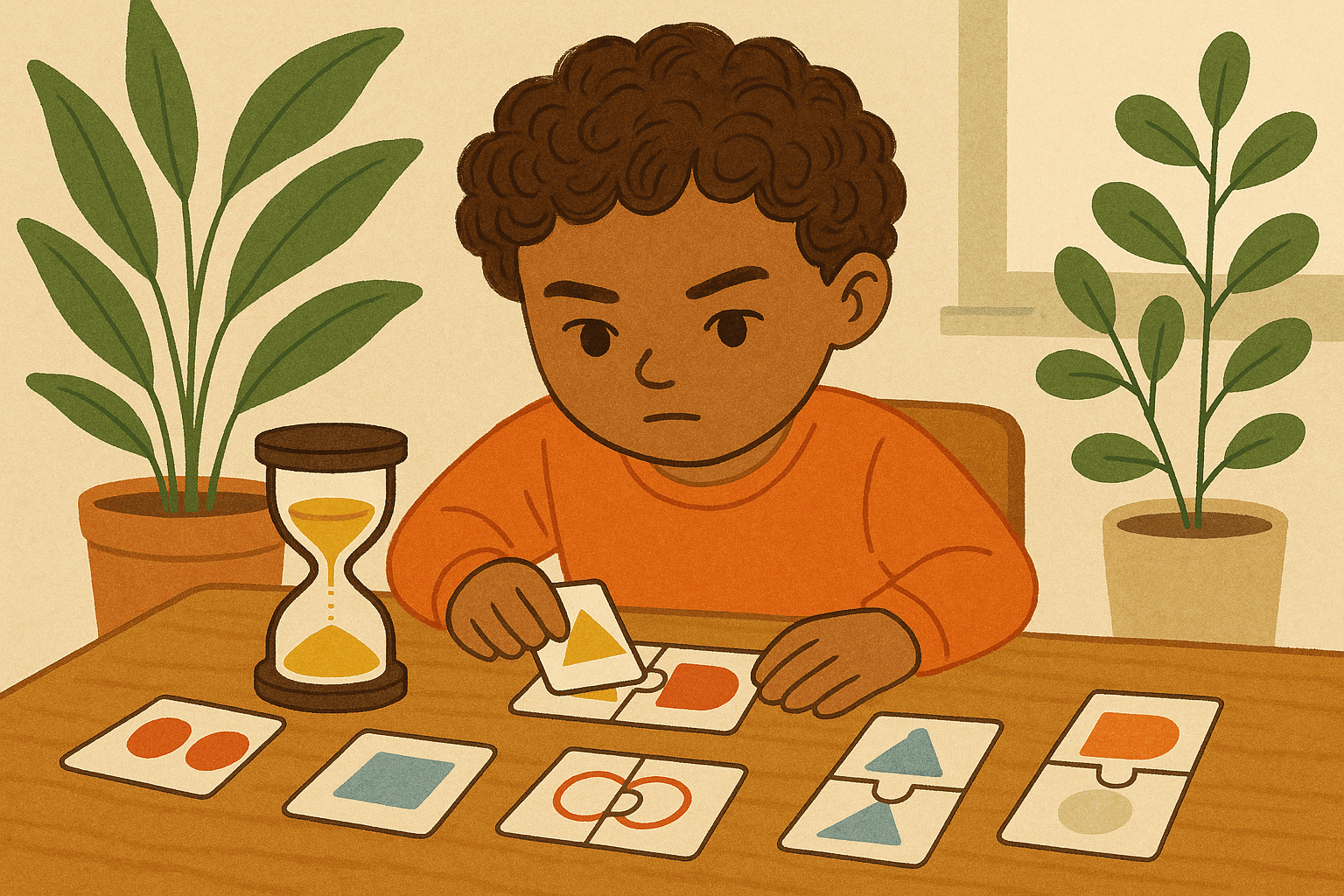
Parenting Workshop: A Practical Parent Guide for Families
A practical, evidence-informed parenting workshop guide for families: how to set calm limits, reduce daily conflicts, and build cooperation without shouting or punishment.
Related Guides
- /blog/parent-training-guide
- /blog/global-parent-training-course
- /blog/global-parent-coaching
Parenting is rewarding, but it can also be exhausting—especially when every small routine turns into an argument. If mornings are chaotic, homework ends in tears, or bedtime feels like a daily battle, you are not failing. Most families are not missing love; they are missing a clear, repeatable plan.
This guide is designed like a real workshop you can run at home. It gives you a practical framework, simple scripts, and a step-by-step weekly plan to improve behavior while protecting your relationship with your child.
What a Good Parenting Workshop Should Actually Teach
Many parenting resources are either too vague (“just be patient”) or too extreme (“be strict all the time”). A useful parenting workshop should teach three balanced skills:
1. Connection first: children cooperate better when they feel seen.
2. Clear boundaries: children feel safer when limits are predictable.
3. Coaching, not controlling: the goal is long-term self-regulation, not short-term fear.
When these three are used together, families usually see fewer power struggles and more calm cooperation.
Why Children Misbehave (and Why Punishment Alone Fails)
Most “misbehavior” is a skill gap, not a character flaw. Children may struggle because of tiredness, hunger, transitions, overwhelm, or underdeveloped emotional control. If we only react with anger or punishment, we may stop behavior for the moment—but we do not teach what to do instead.
Think of behavior as communication:
- “I can’t handle this feeling yet.”
- “I don’t know this routine.”
- “I need structure and support.”
That perspective helps parents respond with calm authority instead of frustration.
The CALM Framework for Daily Parenting
Use this simple framework in difficult moments:
C — Connect
Get close, lower your voice, and use the child’s name.
Example: “I’m here. I can see you’re upset.”
A — Acknowledge
Name the feeling without approving the behavior.
Example: “You’re angry because screen time ended.”
L — Limit
State one short, non-negotiable boundary.
Example: “I won’t let you hit. Hitting is not safe.”
M — Move forward
Offer two acceptable next steps.
Example: “You can take three breaths with me or squeeze this pillow.”
This sequence reduces escalation because it combines empathy and structure.
Scripts for Common Daily Struggles
Parents often know what to do but freeze in the moment. Use these ready-made scripts:
Morning delays
“First we get dressed, then breakfast. I’ll help you start.”
Homework refusal
“You don’t have to like it, but we do a 10-minute start. I’ll sit near you.”
Sibling fights
“Pause. Hands down. Each person gets one turn to speak.”
Bedtime resistance
“Your body needs rest. You can choose one story or one song, then lights out.”
Keep language short. The more emotional the child is, the fewer words work best.
What to Stop Doing (These Habits Make Things Worse)
Even caring parents accidentally reinforce conflict. Watch for these patterns:
- Long lectures during meltdowns: children cannot process complex reasoning when dysregulated.
- Inconsistent rules: if limits change daily, children keep testing.
- Too many warnings: repeated warnings train children to delay listening.
- Public shaming: this increases defensiveness and damages trust.
Replace them with predictable routines, fewer words, and consistent follow-through.
Build a Family Routine That Actually Works
Behavior improves faster when routines are visible and simple. Create a mini routine board with 3–5 steps only.
Example: After-school routine
1. Snack + water (10 min)
2. Movement break (10 min)
3. Homework start (15–20 min)
4. Playtime
Why this works:
- transitions become predictable,
- children feel more control,
- parents spend less energy repeating instructions.
How to Use Positive Reinforcement Properly
Positive reinforcement is not bribery. Bribery is last-minute (“Do this and I’ll give candy”). Reinforcement is planned (“When you complete your routine, you earn reading time with me”).
Use these rules:
- Praise specific behavior: “You started homework without arguing. Great self-control.”
- Reinforce effort, not perfection.
- Keep rewards small and sustainable (stickers, extra play, one-on-one time).
The aim is to strengthen habits, not create dependency on prizes.
A 7-Day Parenting Workshop Plan (At Home)
Day 1: Choose one target behavior
Pick one issue only (for example: bedtime delay).
Day 2: Define your script
Write one short CALM script and practice it.
Day 3: Build a mini routine
Create a 3-step visual routine for that issue.
Day 4: Add reinforcement
Choose one simple reward linked to effort.
Day 5: Review triggers
Note when problems happen most (time, hunger, transitions).
Day 6: Repair and reconnect
Spend 15 minutes of child-led play, no correction or teaching.
Day 7: Reflect and adjust
Ask: What improved? What still triggers conflict? Adjust one variable.
Families who follow this for two weeks usually report better transitions, fewer arguments, and more confidence.
When to Seek Extra Support
If behavior is intense, persistent, or affecting school/social functioning, extra support can help. Consider speaking with a pediatrician, child psychologist, or family counselor if you notice:
- frequent aggression,
- severe sleep disruption,
- persistent anxiety,
- major regression,
- safety concerns.
Asking for support is a strength, not a failure.
Final Takeaway
A strong parenting workshop is not about becoming a “perfect parent.” It is about becoming a predictable, calm leader your child can trust. When families combine connection, boundaries, and coaching, children learn emotional safety and self-control over time.
Start small. Pick one routine. Use one script. Stay consistent for one week. Tiny changes repeated daily create lasting family peace.