Toddler Gymnastics: Building Strength, Confidence, and Joy Through Movement
Explore how simple, guided movement can foster crucial physical, cognitive, and emotional development in your toddler, turning your living room into a foundation for lifelong well-being.
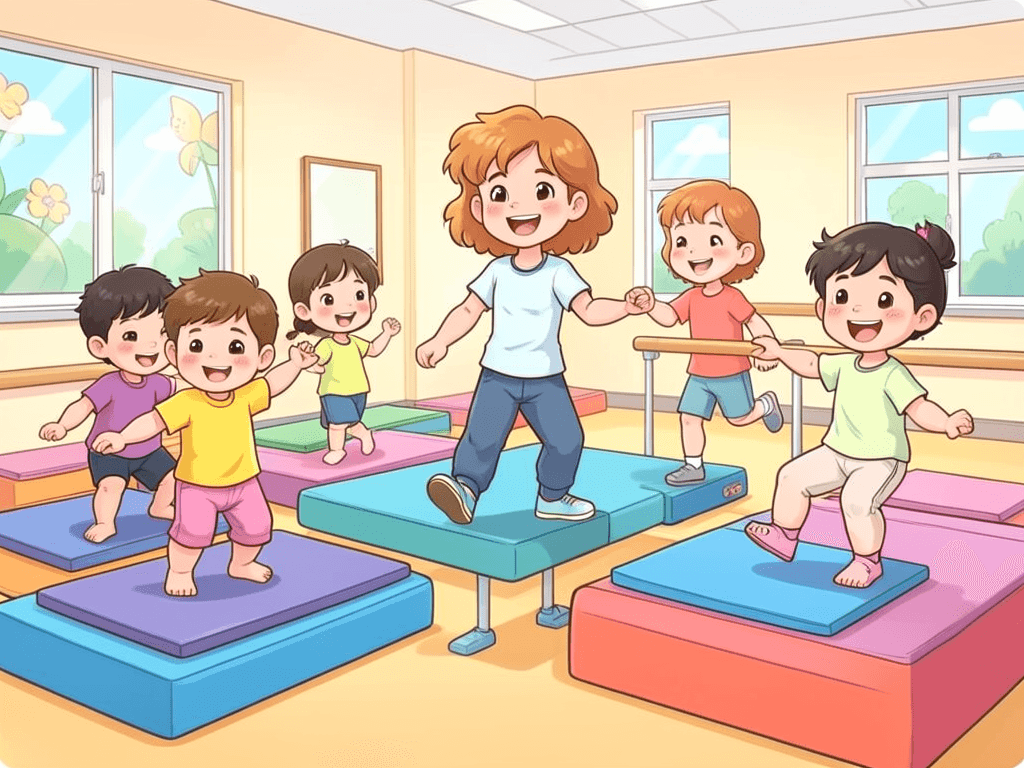
The image of a tiny leotard-clad toddler in a formal gym can be charming, but the true essence of toddler gymnastics isn't about early training for competition. It's about harnessing your child's innate drive to climb, roll, jump, and explore. This guided, playful movement builds the foundational motor skills, body awareness, and confidence that support all future learning and physical activity. For parents, it's less about creating a future athlete and more about nurturing a capable, coordinated, and joyful child who understands what their body can do.
Why Movement Matters More Than Ever
In early childhood, the brain and body are inextricably linked. Every new physical skill—crawling under a table, balancing on a curb, throwing a ball—forges neural pathways that enhance cognitive functions like spatial reasoning, problem-solving, and focus. Structured, playful gymnastics activities provide a "menu" for developing these skills systematically. They address key developmental domains: gross motor skills (large movements), vestibular sense (balance and spatial orientation), and proprioception (awareness of body position). This isn't just play; it's the work of childhood, building a resilient and capable physical self.
Setting Up for Success: Your Home "Gym"
You don't need equipment. You need a safe space and a playful mindset. Clear a 3x3 meter area of hard furniture and sharp corners. Key items can include:
- A firm cushion or folded blanket for rolling and soft landings.
- A line of painter's tape on the floor for balance beams.
- A sofa cushion on the floor to climb over.
- A large, soft ball for rolling and catching.
- A tunnel made from chairs and a blanket.
Safety is paramount: always supervise, ensure activities match your child's current ability, and focus on fun over form.
Foundational Skills & Playful Routines
Break sessions into 15-20 minute "play circuits." Follow your child's lead, but gently introduce these skills:
Animal Walks (Ages 18-30 months): "Bear walk" on hands and feet, "crab walk," or "inchworm" stretches. Builds core and shoulder strength.
Log Rolls & Egg Rolls: Practice rolling sideways (log) or tucking knees to chest and rocking (egg). Develops vestibular system.
The Balance Beam (The Tape Line): Walk forward, sideways, and backward on the line. Hold hands initially. Progress to walking with a soft toy on their head.
Jumping Down: From a very low, stable step (like a sturdy book), practice "bend your knees and push!" landing with two feet. Always hold hands for beginners.
Tunnels & Mountains: Crawling through a tunnel builds coordination. Climbing over a cushion mountain strengthens limbs and planning skills.
Age-Banded Guidance: Meeting Your Child Where They Are
Walking to 24 Months: Focus on stability. Activities include walking on different textures (carpet, grass), crawling over obstacles, sitting on and rocking a soft ball, and assisted rolls. Use simple, repetitive language: "Over we go!"
24 to 36 Months (2-3 Years): Introduce directional movement. Practice jumping in place, walking on tip-toes, kicking a soft ball, and rolling a ball back and forth. Start simple balance challenges, like standing on one foot with support.
36 to 48 Months (3-4 Years): Refine coordination. Try galloping, hopping on one foot, forward rolls over a shoulder with close spotting, and walking backward on the balance line. Introduce simple sequences: "Jump over the cushion, then bear walk to the tape line."
What to Avoid: Keeping It Positive and Safe
- Avoid forcing or correcting form. Praise effort, not outcome. Say, "You worked so hard to balance!" not "You fell."
- Avoid comparing children. Development is not linear or uniform.
- Avoid high-risk moves. No flips, headstands, or jumps from heights without professional, hands-on guidance.
- Avoid making it a chore. If your child resists, switch activities or try again later. The goal is positive association with movement.
- Avoid ignoring fear. If an activity scares them, break it down into smaller, manageable steps or put it aside for a few weeks.
A Quick Weekly Plan for Busy Families
Monday (Balance Day): 10 minutes of tape-line walks, standing on one foot (with hold), and walking on couch cushions.
Tuesday (Strength Day): Animal walks across the living room, climbing over cushion mountains, pushing a heavy pillow.
Wednesday (Rolling & Coordination): Log rolls down a grassy hill or soft mat, crawling through tunnels, rolling a ball to hit stacked blocks.
Thursday (Jumping & Rhythm): Jumping over lines of socks, dancing to music with big jumps, hopping like a frog.
Friday (Free Play & Review): Let your child choose their favorite activities from the week. This reinforces learning and joy.
When to Seek Professional Guidance
While home play is excellent, a credentialed toddler gymnastics class (with a focus on developmental play) can be beneficial for social skills and introducing equipment safely. Consider a class if you seek structured social time, or if you have specific concerns about your child's coordination, muscle tone, or sensory processing. Always consult your pediatrician or a pediatric physical therapist if you notice persistent stiffness, pronounced clumsiness compared to peers, extreme aversion to movement, or significant delays in major motor milestones.
Frequently Asked Questions
Q: What should parents do first when starting toddler gymnastics at home?
A: Start by observing. Watch what movements your toddler is naturally drawn to—climbing, jumping, spinning? Use that as your starting point. Then, spend a week simply playing together in your cleared space, following their lead. This builds trust and shows you their current capabilities. On day one, just introduce one simple new element, like a line of tape on the floor, and see what they do.
Q: My toddler gets frustrated easily and gives up. How can we stay consistent?
A: Consistency is about routine, not repetition of difficult tasks. Keep the *time* consistent (e.g., "after breakfast movement") but vary the activity based on their mood. If they fail at a jump, immediately switch to a success-oriented activity they love, like rolling. Keep sessions very short (5-10 minutes). Use narrative play ("Let's be frogs hopping to the pond!") to reduce performance pressure. Celebrate attempts wildly.
Q: Is there a risk of injury, and how do I minimize it?
A: The primary risks are falls and strains. Minimize them by always providing hands-on spotting for new skills, using soft surfaces, avoiding any maneuvers that involve landing on the neck or head, and never encouraging activities beyond their evident readiness. Your role is facilitator and spotter, not coach. If an activity requires you to let go for them to do it, they are likely not ready for it.
Your Next Step
The most powerful equipment you have is your attention. Start this week by dedicating 10 minutes of phone-free, fully present play to movement. Follow your child's curiosity, introduce one new idea from this guide, and focus on the laughter and connection. You're not building a gymnast; you're building a foundation for a healthy, confident, and active life. Roll, jump, and grow together.