The Language of Tears: A Practical Guide to Understanding and Responding to Your Baby's Crying
Your baby's cry is a powerful signal, not a test of your parenting. This guide helps you decode the message, respond with empathy, and build a secure bond, all while caring for your own well-being.
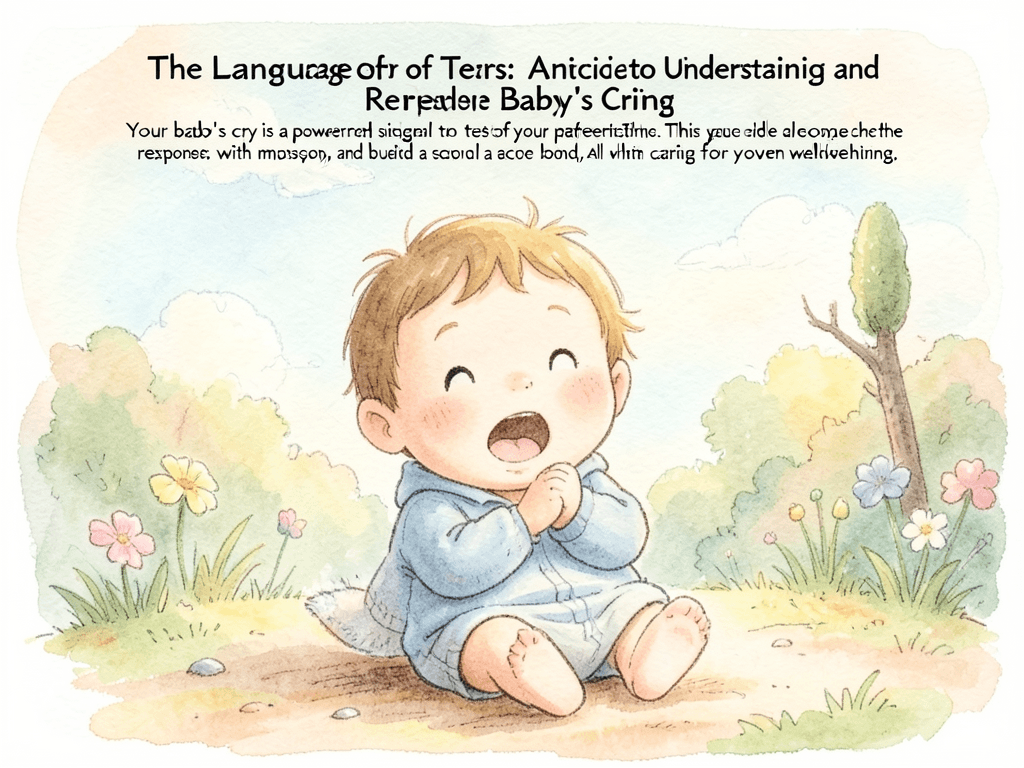
Your baby's first cry is a moment of profound relief and joy. But in the weeks and months that follow, that same sound can become a source of anxiety, exhaustion, and even self-doubt. Please know this: a crying baby is not a failing parent. Crying is your infant's primary language—a powerful, biological signal designed to ensure their survival and connect with you. In the Indian context, where joint families offer support but can also bring conflicting advice, navigating this phase requires a blend of instinct, evidence, and emotional resilience. This guide is here to help you listen to the message behind the tears, respond effectively, and find your own rhythm in the beautiful, demanding symphony of early parenthood.
Why Babies Cry: It's Their First Language
Before they can gesture or speak, crying is your baby's only tool for communication. It's a complex signal that can mean many things, all rooted in a fundamental need for safety and connection. From a developmental perspective, crying serves critical functions: it regulates stress, strengthens lung capacity, and, most importantly, secures the caregiving response essential for survival. Think of it not as a problem to be solved, but as a conversation to be understood. Your consistent, loving response teaches your baby that the world is a trustworthy place, laying the foundation for secure attachment.
Decoding the Cries: A Practical Checklist
While every baby is unique, cries often have common patterns. Before feeling overwhelmed, run through this mental checklist. Is it:
* Hunger: Often starts as a fussy, rooting sound, building to a rhythmic, demanding cry. Check the time since the last feed.
* Discomfort: A whiny, irritated cry. Check for a wet nappy, a tight clothing label, a hair wrapped around a toe (a common concern), feeling too hot or cold, or gas pains.
* Sleepiness: A fussy, grating cry, often accompanied by eye-rubbing, yawning, or staring blankly. Contrary to some belief, an overtired baby finds it harder to fall asleep.
* Need for Comfort: A mournful, clingy cry that seeks physical contact, rocking, or the sound of your heartbeat. This is a core need, not a "habit to be broken."
* Overstimulation: A overwhelmed, shrill cry after a busy day with visitors, loud noises, or too much play. They need a calm, quiet space.
* Pain or Illness: A sudden, sharp, high-pitched cry that sounds different from their usual cries. Look for other signs like fever, vomiting, or unusual lethargy.
Age-Banded Responses: From Newborn to 12 Months
Newborns (0-3 months): The world is a sensory shock. Respond promptly. Swaddling (using a soft, breathable muslin cloth) recreates the womb's security. Use gentle rhythmic sounds—"shhh" sounds, soft lullabies, or low humming. Skin-to-skin contact (a practice beautifully aligned with traditional *godh bharai* gifts of soft shawls) is profoundly calming.
Infants (4-8 months): They are more aware but cannot move independently. Boredom and frustration begin. Engage their senses: a gentle massage with warm coconut oil, showing a high-contrast picture, or letting them feel different textures like silk or cotton. Babywearing in a secure sling allows them to be close while you move about.
Older Babies (9-12 months): Separation anxiety peaks. They cry when you leave sight. Play peek-a-boo to teach object permanence. Verbally reassure them before leaving the room ("Mamma will be right back"). Establish a consistent goodbye routine.
What to Avoid: Well-Meaning but Unhelpful Advice
In your journey, you may hear advice that feels counterintuitive. Here’s what to steer clear of:
* "Let them cry it out" (especially under 6 months): For young infants, this can elevate stress hormones and undermine their sense of security. Responsive comforting is crucial.
* Comparing to "other babies": Temperament varies wildly. A more sensitive baby is not a "difficult" baby.
* Feeding at every cry: While hunger is common, always offering the breast or bottle can overlook other needs and lead to overfeeding. Use the checklist first.
* Ignoring your own gut: You know your child best. If a cry sounds acutely different and you suspect illness, seek medical advice promptly.
* Shaking the baby: Never, ever shake a baby. It can cause fatal brain injury. If you feel overwhelmed, it is a sign to put the baby safely in the crib and step away for a few minutes to breathe.
A Quick Weekly Plan for Calmer Days
Prevention is powerful. A predictable routine reduces anxiety-driven crying.
* Morning (After Feed): 10-15 minutes of tummy time on a spread-out sheet. Bright, indirect sunlight.
* Late Morning: Sensory play—a bowl of cool lentils to touch, listening to a gentle *raga*.
* Afternoon: A warm bath (not necessarily with soap daily) followed by a gentle massage with light pressure.
* Evening: Wind-down time. Dim lights, reduce noise, soft music or chanting. A consistent bedtime routine (e.g., feed, story, cuddle, put down drowsy but awake).
* Throughout: Watch for early sleepy cues (staring, looking away) and act before the crying starts.
When the Tears Keep Flowing: Coping with Colic and Purple Crying
Sometimes, despite all checks, a baby has prolonged, intense crying spells, often in the late afternoon or evening. If it follows the "Rule of Three" (cries for more than 3 hours a day, more than 3 days a week, for over 3 weeks), it may be colic. A broader term is the Period of PURPLE Crying—a normal developmental phase where crying has a Peak pattern, is Unexpected, resists Reassurance, has a Pain-like face, is Long-lasting, and occurs in the Evening. It is not your fault. During these episodes, hold your baby close, try a slow walk, or gentle rocking. Most importantly, take turns with your partner or family member. If you feel at your limit, place the baby safely in the crib and take a 5-minute break to drink water and breathe deeply.
Caring for the Caregiver: Your Well-being Matters
Your calm is your baby's calm. A crying baby can trigger deep stress. Acknowledge your feelings—frustration is normal. Share the load: let grandparents handle a walk in the stroller, or let your partner take the first evening shift. Use the baby's nap time to rest, not just to chore. Connect with other new parents, even if online, to normalize your experience. Remember, you are learning a new language, and it takes time.
Frequently Asked Questions
Q: Will picking up my baby every time they cry spoil them?
A: Not in the first year. Consistently responding to cries builds trust and security. It teaches them that their needs will be met, which actually fosters greater independence later. You cannot spoil a baby with love and responsiveness.
Q: My baby cries more with me than with others. Does this mean I'm a bad parent?
A: Absolutely not. It means your baby feels safest with you to express all their emotions. You are their secure base. They may hold themselves together for others and then release all their pent-up feelings when back in your trusted arms.
Q: When should I be concerned about the crying and see a doctor?
A: Seek prompt medical advice if the crying is accompanied by: fever (in an infant under 3 months), forceful vomiting, diarrhoea, unusual lethargy or difficulty waking, a bulging soft spot on the head, or if the cry is weak, high-pitched, and sounds markedly different. Always trust your instinct—you are the expert on your child.
Your Next Step
Start tonight by observing just one thing: the *pattern* of the cry. Is it rhythmic or frantic? Is it building or sudden? Simply observing without immediate panic is the first step towards understanding. For the next three days, keep a simple log: time of cry, what you tried, what worked. You might see a pattern you've missed. Share this guide with your partner or family caregivers so everyone can respond consistently. And tonight, after you soothe your little one, take one deep breath for yourself. You are learning the most intimate language there is.