Navigating the Teething Journey: A Guide to Comforting Your Baby
Teething is a major milestone, but it can be a challenging phase for both baby and parent. This guide offers practical, evidence-informed advice to soothe discomfort, spot the signs, and navigate this stage with confidence and care.
The first tiny pearl-like tooth emerging from your baby’s gums is a moment of pure wonder. It marks a significant step in their development. Yet, the journey leading to that moment—the teething phase—can be a period of sleepless nights, fussy days, and palpable discomfort for your little one. As parents, watching your child grapple with this new sensation can leave you feeling helpless. This guide is designed to walk you through this natural process with empathy, practical strategies, and a focus on safe, comforting care.
Understanding Teething: What's Really Happening?
Teething is the process of a baby's primary (or "milk") teeth moving through the gums and breaking through the surface. In India, this typically begins between 4 to 7 months, though it can start earlier or later. The bottom front teeth (central incisors) usually appear first, followed by the top front teeth. A full set of 20 primary teeth is often complete by the age of 2.5 to 3 years.
The discomfort arises because as the tooth moves, it presses on the gum tissue, causing inflammation and sensitivity. It’s important to remember that teething is a normal developmental process, not a illness. However, its symptoms can mimic other issues, so understanding the signs is key.
Recognizing the Signs: Is It Teething or Something Else?
Your baby cannot tell you what hurts, so they communicate through behaviour. Common signs include:
- Increased drooling: You may notice your baby soaking their clothes and bibs.
- Gnawing and chewing: An intense urge to bite on anything—fingers, toys, your shoulder—is a classic sign. This pressure can relieve gum discomfort.
- Fussiness and irritability: Especially in the evening or during naps.
- Swollen, sensitive gums: You might see a red, bulging area where a tooth is about to emerge.
- Mild temperature: A *very slight* rise in body temperature can occur due to gum inflammation. However, a high fever (over 100.4°F or 38°C) is NOT a typical teething symptom and warrants a doctor's consultation.
- Changes in feeding: Babies may pull away from bottles or breast due to gum pressure, or conversely, find sucking comforting.
Safe and Effective Soothing Strategies
Your primary goal is to provide safe counter-pressure and gentle cold to soothe inflamed gums.
1. Clean Teething Toys: Choose solid, BPA-free silicone or rubber teethers. Chill them in the refrigerator (not freezer) for 20 minutes. The coolness and chewable texture provide relief. Ensure they are cleaned daily.
2. Finger Massage: Wash your hands thoroughly, then gently massage your baby’s gums with your finger for 1-2 minutes. The pressure can feel comforting.
3. Cool, Soft Foods: For babies already on solids (usually 6+ months), offer chilled (not frozen) options like a large piece of cucumber or carrot they can gnaw on safely, or a cold yogurt puree. Always supervise to prevent choking.
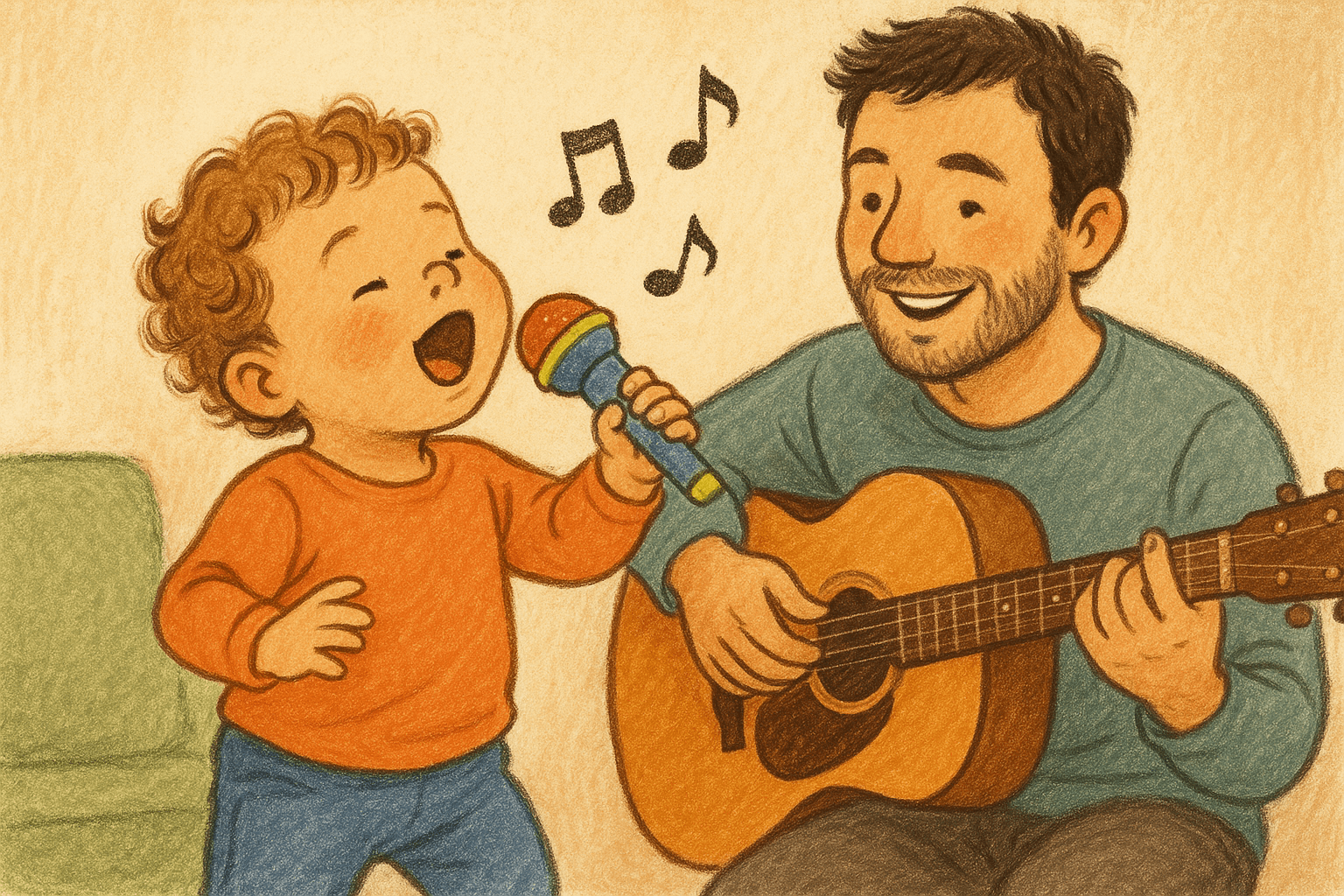
4. Extra Cuddles and Distraction: Sometimes, the best remedy is extra comfort. A change of scene, a gentle walk, or a new song can distract from the discomfort.
5. Maintain Routine: Try to stick to your usual bedtime and nap routines. Consistency provides a sense of security during a physically unsettling time.
What to Avoid: Safety First
Some well-known remedies can be harmful. Please avoid:
- Teething necklaces or bracelets (amber or any other): They pose a serious risk of choking and strangulation and have no proven benefit.
- Homeopathic or herbal teething tablets/gels with unregulated ingredients.
- Applying pressure with hard, unsafe objects (e.g., keys, raw carrots for very young babies).
- Rubbing alcohol or whiskey on gums: This is dangerous and outdated.
- Overusing medicated gels: Many contain ingredients not recommended for infants. Always consult your paediatrician before using any topical medication.
A Quick Weekly Plan for Teething Days
When symptoms flare up, having a simple plan can help you stay calm and proactive.
- Morning: Offer a chilled teether after the first feed. Do a gentle gum massage during a diaper change.
- Afternoon: Use distraction—a bath, playtime outside. Offer a cool silicone spoon if fussy during meals.
- Evening (Peak Fussiness Time): Stick closely to bedtime routine. Offer extra comfort through rocking or singing. Provide a clean, cold washcloth to gnaw on before bed.
- Night: If baby wakes, comfort first with cuddles and a quiet lullaby before offering a chilled teether. Avoid introducing new habits like night feeds if they were previously dropped.
Age-Banded Tips: From Early Months to Toddlerhood
4-7 Months (Early Teethers): Focus on cold, safe textures. A clean, damp muslin cloth chilled in the fridge is excellent. Finger-sucking is very common at this stage—ensure hands are clean and consider a soft hand-teether toy.
8-12 Months (Multiple Teeth): This phase can see more pronounced symptoms. Introduce thicker silicone teethers they can grip. Offer cold, soft fruit like banana slices. Maintain hydration as drooling increases.
13-24 Months (Molars & Canines): The back teeth (molars) are larger and cause more discomfort. Use firmer, larger teethers designed for molars. Offer a chilled, non-sugary rusks if your paediatrician approves. Focus on comforting words and explanations (“Your teeth are growing, it might feel funny”).
When to Call the Doctor
Always consult your paediatrician if:
- Your baby has a fever over 100.4°F (38°C) or appears ill.
- Symptoms are severe and not relieved by gentle methods.
- You see signs of infection like pus, severe swelling, or a blister on the gums.
- Diarrhoea, rash, or other systemic symptoms accompany fussiness—these are not caused by teething itself.
- You have any questions about safe pain relief options.
FAQ: Your Quick Questions Answered
Q: My 145-day-old (just under 5 months) baby is constantly chewing his fingers and I see a white spot on his gum. Is this teething?
A: Absolutely possible! Early teething around 4-5 months is common. The finger obsession is a natural way to apply pressure to sore gums. The white spot could be the tooth just beneath the surface. Continue with safe soothing methods like a chilled cloth and gentle massage.
Q: Does teething cause diarrhoea or high fever?
A: No, robust medical evidence indicates teething does not cause diarrhoea, high fever, or vomiting. These are symptoms of an illness. If your baby presents these, please consult your doctor to rule out infections like viral gastroenteritis.
Q: How can I keep my baby comfortable during night-time teething?
A: Prioritise comfort over intervention. A pre-bedtime gum massage with a chilled teether can help. If they wake, offer a quiet cuddle and perhaps a sip of water before returning them to bed. Avoid turning night wakings into new feeding sessions, which can create long-term sleep disruptions.
Final Thoughts: You Are Not Alone
The teething journey, with its ups and downs, is a shared experience for millions of parents. It tests your patience but also deepens your bond as you learn new ways to comfort your child. Trust your instincts, use safe and simple methods, and lean on your paediatrician for guidance. That first toothy grin, once all the discomfort passes, will be a radiant reward for your care and patience.
Your Next Step: If your baby is showing signs of teething, take a moment today to prepare your toolkit: clean a few muslin cloths to chill, ensure your teethers are clean and safe, and schedule a routine check-up with your paediatrician to discuss your plan. Being prepared is the most calming thing you can do for yourself and your baby.