Baby Yoga: Building Connection, Strength, and Calm Through Gentle Movement
Discover how simple, mindful movements can strengthen your baby's developing body, soothe their nervous system, and deepen your unique bond—all without any special equipment.
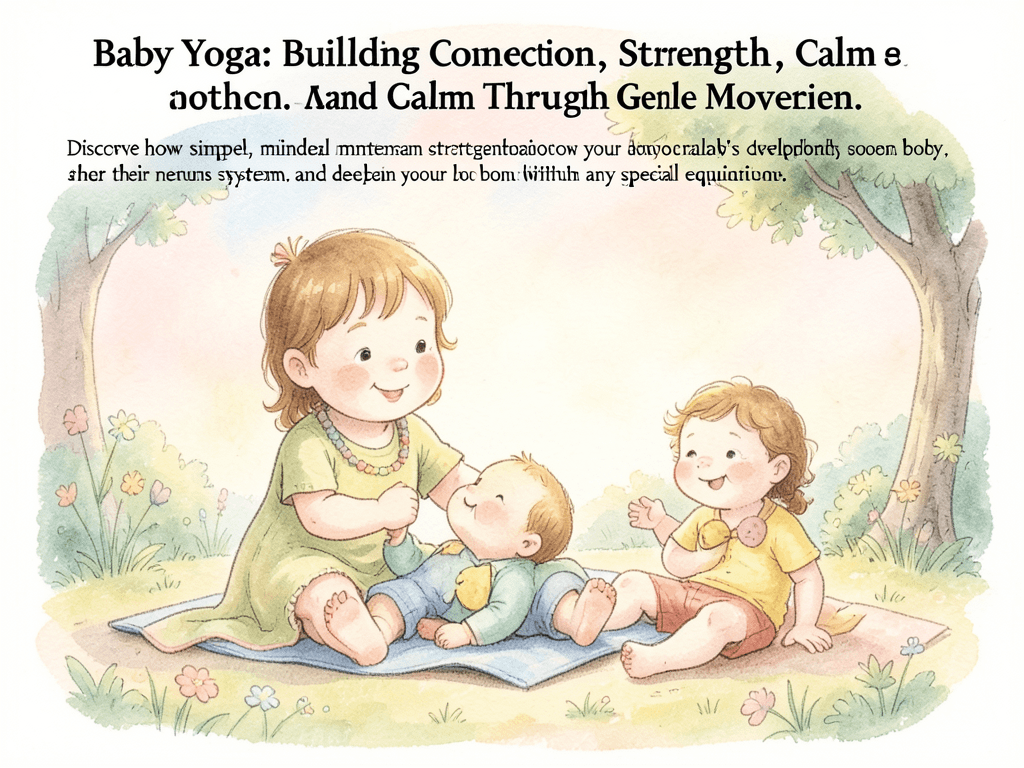
Imagine a quiet moment with your baby, where the day's fussiness melts away into gentle stretches and shared breaths. This is the heart of baby yoga—not about perfect poses, but about connection. It’s a beautiful, intuitive way to support your little one’s physical development, soothe their senses, and create pockets of calm in your busy day. For centuries, yoga principles have woven through Indian family life, emphasizing harmony between body and mind. Adapting these principles for your baby is a natural extension of this wisdom, turning simple interactions into opportunities for growth and bonding.
What is Baby Yoga, Really?
Baby yoga is a series of gentle, supported movements, stretches, and holds inspired by yoga asanas, adapted specifically for an infant's developing body and nervous system. It’s fundamentally interactive, with you as your baby's guide and support. The goal isn't to make your baby more flexible or achieve advanced postures. Instead, it’s about:
* Enhancing Body Awareness: Helping your baby discover their limbs and how they move.
* Aiding Digestion: Gentle movements can help relieve gas and constipation.
* Promoting Relaxation: Rhythmic motion and touch can regulate the nervous system.
* Strengthening Muscles: Supporting natural motor skill development like head control and rolling.
* Deepening Your Bond: It’s a focused, joyful, non-verbal conversation between you and your child.
Think of it less as a "sport" and more as a shared, mindful practice of movement and touch.
The Beautiful Benefits for Your Baby (and You!)
The advantages of incorporating these gentle movements are wide-ranging. For your baby, it can:
* Support Motor Milestones: Gentle exercises can strengthen neck, back, and core muscles, providing a foundation for rolling, sitting, and crawling.
* Soothe Discomfort: Specific, gentle movements can help ease colic, gas, and digestion issues by massaging the abdomen.
* Improve Sleep Patterns: The calming, rhythmic nature of the practice can help regulate your baby's sleep-wake cycle.
* Boost Sensory Integration: The combination of touch, movement, sound (your voice), and eye contact is a rich sensory experience.
For you, the parent, it offers a dedicated time to slow down, tune into your baby's cues, and often find your own breath and calm in the process. It’s a practice in mindfulness and presence.
Getting Started: Your Essential Guide
You don't need a mat, special clothes, or a silent room. All you need is:
1. Timing is Everything: Choose a time when your baby is alert, content, and well-rested—usually an hour after a feed or after a nap. Never practice right after a feed.
2. The Right Surface: A soft blanket on the floor is perfect. Ensure the area is safe and clear.
3. Your Presence: Be fully there. Make eye contact, smile, and use a soft, reassuring voice.
4. Follow Your Baby's Lead: This is the golden rule. If your baby turns away, cries, or seems irritable, stop immediately. The practice should always be enjoyable.
5. Keep it Short: For newborns, just 5-7 minutes is plenty. You can gradually extend to 10-15 minutes as they grow.
Gentle Routines by Age & Stage
Newborns (0-3 Months): The Bonding Phase
Focus is on gentle touch and very subtle movements. Your baby is still curled up.
* Tummy Time Embrace: Lie down on your back and place your baby tummy-down on your chest. Your breathing will naturally rock them gently.
* Gentle Leg Cycles: With baby on their back, hold their ankles and very gently move their legs in a slow bicycling motion. Say "round and round we go."
* Heart-to-Heart Hold: Simply cradle your baby against your chest, supporting their head, and take five deep, audible breaths together.
Infants (4-7 Months): The Exploring Phase
As head control develops, you can introduce more movement.
* Happy Baby Pose: Hold your baby's feet and gently guide their knees toward their chest, rocking side to side. "Are you my happy baby?"
* Airplane Glide: Sit with legs extended, place baby tummy-down on your shins, holding them securely under the arms. Gently rock your legs up and down. "Wheee, we're flying!"
* Seated Forward Fold (for you): Sit with legs wide, place baby sitting (with support) or lying between your legs. Gently fold forward from the hips to bring your face close to theirs.
Crawlers & Pre-Walkers (8-12 Months): The Active Phase
Incorporate their natural desire to move.
* Downward-Facing Dog Tunnel: Get into a table-top position and encourage your baby to crawl under you—your own "asana" becomes their play tunnel.
* Supported Squat: Hold your baby under their arms and let their feet touch the floor, gently supporting them in a squatting position to strengthen leg muscles.
* Tree Pose Partner: Stand holding your baby facing you. Lift one foot to your ankle or calf while holding baby close for balance. Sway gently like a tree.
What to Avoid: Safety First
Baby yoga is incredibly safe when done mindfully, but these cautions are crucial:
* Never Force a Movement: Your baby's joints are very soft. Move only within their natural range of motion.
* Avoid Neck Strain: Never let a baby's head dangle unsupported, especially under 4 months.
* Skip Bouncing & Jerky Motions: Movements should always be smooth, slow, and controlled.
* Stop if Unhappy: Crying is a clear "stop" signal. This is play, not training.
* Be Cautious with "Inversions": While gentle lifts are fine, avoid fully flipping your baby upside down unless guided by a certified instructor.
* Medical Concerns: If your baby has any health issues like hip dysplasia, always consult your pediatrician first.
A Quick Weekly Plan for Busy Parents
You don't need a long session every day. Consistency is key.
* Monday (Wake-Up): 5 mins of gentle leg cycles and arm stretches after the morning diaper change.
* Tuesday (Tummy Time): Integrate 5 mins of "Airplane Glide" or chest-to-chest time during tummy time.
* Wednesday (Bath Time): Use warm bath time for gentle leg movements and pouring water over limbs.
* Thursday (Fussiness): Use "Happy Baby" pose rock and gentle belly massage if baby seems gassy.
* Friday (Bonding): 10 mins of a simple routine, ending with quiet cuddles and deep breaths together.
* Weekend: Follow your baby's lead! Maybe a longer session, or just incorporate poses into play.
Weaving Yoga into Daily Rituals
Baby yoga doesn't have to be a separate "activity." It can flow into your day:
* During diaper changes, gently stretch legs and sing a song.
* While carrying them, do slow, deep squats (great for your legs too!).
* Before naptime, lie down together and practice calm, synchronized breathing.
FAQ: Your Questions, Answered
Q: My baby is very fussy. Will this help?
A: It can be a wonderful tool for soothing. The combination of rhythmic movement, your touch, and the sound of your voice is deeply regulating. Start when they are *slightly* calm, not at the peak of a cry. The "Happy Baby" rock or holding them close while you sway can work wonders. If fussiness is persistent, it's always wise to rule out medical causes with your doctor.
Q: Can I hurt my baby by stretching them?
A: Not if you follow their lead. You are not *stretching* them like an adult; you are *guiding* their limbs through natural ranges of motion they already use. There should be no resistance. If you're ever unsure, less movement is more. Simply holding and rocking is a perfect yoga practice.
Q: When is the best time of day to do this?
A: The ideal window is when your baby is in a quiet-alert state—calm, awake, and making eye contact. This is often mid-morning or after an afternoon nap. Avoid times when they are hungry, tired, or overstimulated. Even 5 minutes of focused connection counts.
Your Next Step: Breathe, Connect, Begin
The most beautiful part of baby yoga is that it meets you where you are. You don't need to be an expert yogi. You just need your hands, your heart, and a few peaceful minutes. Start today with just one simple move—like holding your baby close and taking three deep breaths together. Notice how you both feel. That connection is the true essence of the practice, a timeless gift of health and harmony you can give your child every day.
Ready to learn more? Consider joining a parent-baby yoga class at a local community center or reputable yoga studio. A certified instructor can offer personalized guidance and you'll enjoy the support of other parents. Remember, for any concerns about your baby's physical development, always consult your pediatrician.