Nurturing Your Child's Inner World: A Practical Guide to Mental Well-being
Your child's mental health is the foundation for a happy, resilient life. Learn how to build it with everyday connection, understanding, and practical routines.
We pour our hearts into our children's physical health—ensuring they eat well, sleep enough, and get their vaccinations. Yet, their mental and emotional well-being, the invisible foundation of their entire life, can sometimes feel like a mystery. A child's mental health isn't just the absence of problems; it's the vibrant presence of resilience, the ability to manage feelings, form healthy relationships, and navigate the world's ups and downs. In the beautiful, complex tapestry of Indian family life, with its unique pressures and joys, nurturing this inner world is our most profound parenting task. This guide offers practical, evidence-informed ways to do just that—transforming everyday moments into building blocks for lifelong emotional strength.
Understanding the Signs: Beyond "Good" and "Bad" Behavior
Children communicate distress through behavior, not words. A sudden change is often the first clue. For a toddler or preschooler (2-5 years), watch for intense, frequent tantrums beyond typical development, extreme clinginess, regression in toilet training or speech, or excessive fearfulness. School-age children (6-12 years) might show persistent stomach-aches or headaches (with no medical cause), drastic changes in academic performance, severe social withdrawal, or new, intense fears. In adolescents (13-18), look for lasting irritability, loss of interest in hobbies, major sleep or appetite changes, talk of hopelessness, or avoidance of friends and family. Remember, one bad day isn't a sign; look for patterns that last weeks and interfere with daily life.
The Pillar of Connection: Your Relationship is the Buffer
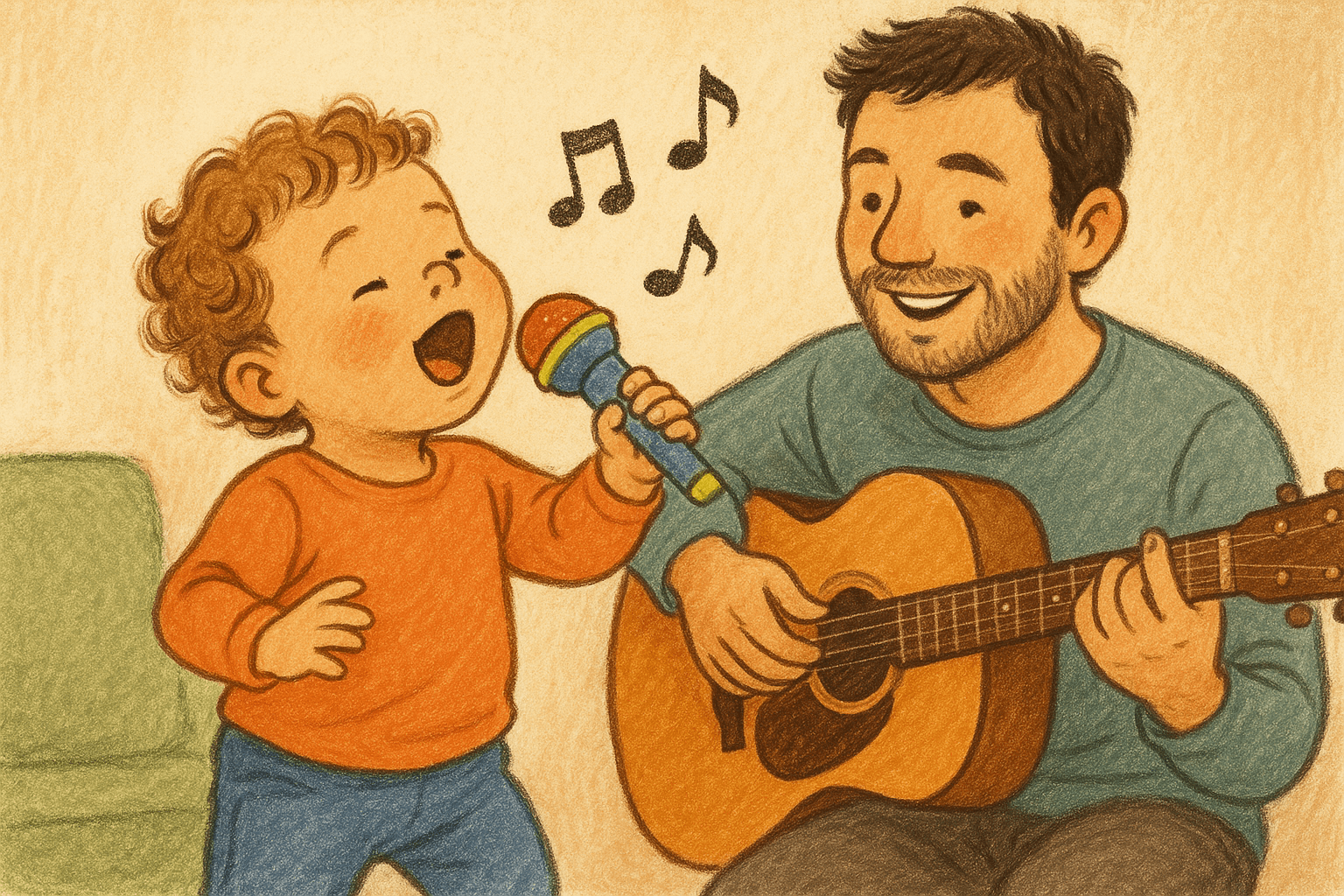
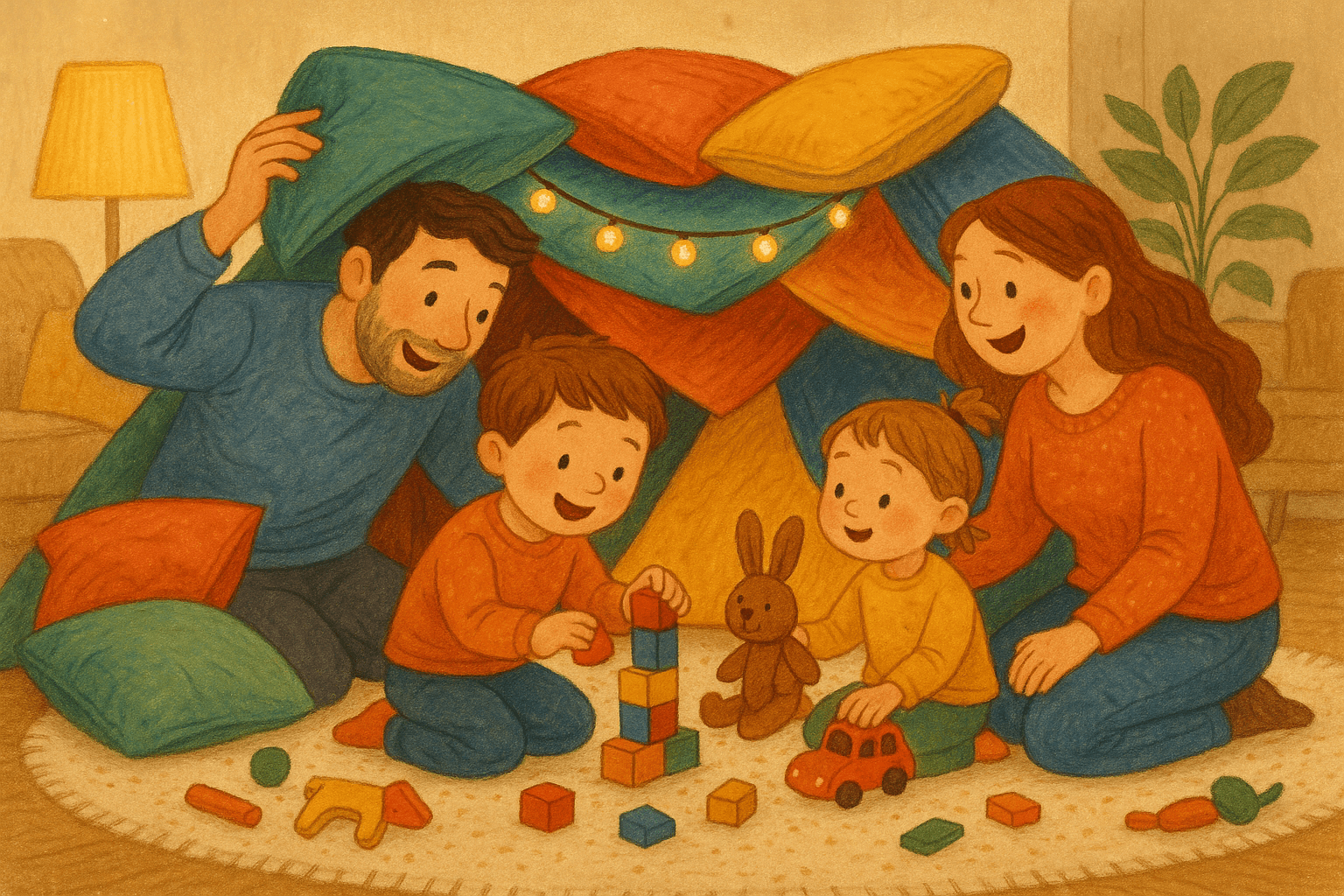
Science is clear: a strong, secure attachment to a caregiver is a child's primary buffer against stress. This doesn't require hours of extra time. It's about quality presence. Practice "special time": 10-15 minutes daily, one-on-one, with the TV off and phones away, letting your child lead the play. Use empathetic listening: when they share, resist the urge to fix or lecture. Instead, reflect: "That sounds really frustrating," or "I see you're feeling sad." This validates their emotions. For teens, connection might be a shared chore, a drive, or watching a show they like together—pressure-free zones for conversation to flow.
Building Emotional Literacy: Naming the Storm
A child who can say "I'm furious" is less likely to hit. Help them build a vocabulary for feelings. With young children, use simple labels: "You look disappointed the park is closed." Use picture books and point to characters' faces. For older kids, introduce nuanced words: anxious, jealous, proud, overwhelmed. Create a "feelings chart" with faces and words on the fridge. Make it a dinner-table routine: "My high and low today were..." This teaches that all emotions are acceptable; it's our actions we manage.
The Power of Routines and Predictability
In a chaotic world, predictable routines are an anchor for a child's mental health. They reduce anxiety by creating a sense of safety and control. A clear morning and bedtime routine is crucial. For example: Wake up, cuddle, brush, dress, breakfast. Or: Bath, story, talk about the day, lights out. Keep weekends loosely structured. Visual schedules with pictures work wonders for young children. For teens, involve them in planning the routine—collaboration increases buy-in.
Managing the Digital World: Boundaries for Balance
Unregulated screen time is a major disruptor of sleep, attention, and mood. Set clear, consistent family media rules. For children under 6, prioritize interactive play over passive viewing. For school-age kids, keep screens out of bedrooms, especially at night. Have a family "charging station" where all devices sleep. Designate screen-free times—meals, the hour before bed, and perhaps one weekend day. Most importantly, model this behaviour yourself. Discuss online content and cyber-safety openly with older children.
What to Avoid: Common Well-Intentioned Missteps
* Dismissing Feelings: Avoid "Don't be sad," "It's not a big deal," or "Be strong." This teaches children to suppress emotions.
* Constant Problem-Solving: Jumping to "Here's what you should do..." before listening fully can make a child feel unheard.
* Over-Scheduling: Packed schedules with tuition and activities leave no downtime for processing, creativity, and just *being*.
* Comparing Siblings or Peers: "Why can't you be more like..." directly harms self-esteem and creates resentment.
* Using Food as Reward/Punishment: This can create unhealthy emotional relationships with food.
* Arguing with Your Partner Aggressively in Front of Children: It creates a climate of fear and insecurity.
A Quick Weekly Plan for Mental Wellness
* Monday: Start the week with a family breakfast, no devices.
* Tuesday: After school/work, have a 15-minute outdoor play or walk together.
* Wednesday: Implement a "Worry Jar"—write down anxieties and literally put them away.
* Thursday: Cook a meal together. Collaboration builds teamwork.
* Friday: Movie or game night—let loose and laugh.
* Saturday: Free play/unscheduled time. Visit extended family or friends.
* Sunday: Gentle reflection. Plan the week ahead together.
When to Seek Professional Help
Parental love is powerful, but it's not a substitute for professional intervention when needed. Seek help if your child: talks about wanting to die or hurt themselves; engages in self-harm; has extreme anxiety that prevents school or socializing; shows drastic personality changes; experiences hallucinations; or if your gut instinct persistently tells you something is wrong. Start with a trusted pediatrician who can rule out physical causes and refer you to a child psychologist or psychiatrist. Seeking help is a sign of strength and proactive care, not failure.
FAQ: Common Questions from Parents
Q: My child throws huge tantrums. Is this a mental health issue?
A: Tantrums are normal for toddlers as they lack emotional regulation skills. It becomes a concern if they are extremely violent, last very long (30+ minutes), occur multiple times daily in older children (5+), or if the child hurts themselves or others. Focus on staying calm, ensuring safety, and connecting after the storm passes.
Q: How do I talk to my teenager who shuts me out?
A: Don't force face-to-face talks. Try side-by-side communication—in the car, while cooking. Use open-ended statements: "I've noticed you seem quiet lately, I'm here if you want to talk." Respect their privacy but reiterate your unconditional support. Sometimes writing a brief, loving note can open a door.
Q: Is it okay for my child to see me upset or crying?
A: Yes, in a controlled way. It models that adults have emotions too. The key is to later talk about it: "I was feeling very sad today, so I cried. Now I'm feeling a bit better. Everyone feels big feelings sometimes." This shows emotional processing and resilience.
Your Next Step: Small Shifts, Big Impact
Building your child's mental health isn't about grand gestures or being a perfect parent. It's built in the small, daily moments of connection, validation, and presence. Choose one thing from this guide to start with this week—perhaps introducing "special time" or creating a calmer bedtime routine. Observe the subtle shifts. Your attentive, empathetic presence is the most powerful therapeutic tool your child will ever have. You are not alone in this journey; reach out, learn, and trust your deep connection with your child.