The Importance of Early Childhood Education in India
Discover the critical role of early childhood education in shaping your child's future. Learn actionable steps, what to avoid, and how to create a nurturing environment for your child's development.
Early childhood education (ECE) is a vital phase in a child's development, laying the foundation for lifelong learning and well-being. In India, where diverse cultures and languages intertwine, understanding the significance of ECE can empower parents to make informed choices that foster their children's growth. This blog post explores the benefits of early childhood education, practical steps for parents, and common pitfalls to avoid.
Understanding Early Childhood Education
Early childhood education refers to the formal and informal learning that occurs from birth to around eight years of age. During this critical period, children's brains develop rapidly, making it an ideal time for learning. ECE encompasses various activities, including play-based learning, social interaction, and guided exploration.
The Benefits of Early Childhood Education
1. Cognitive Development: Engaging children in structured learning activities enhances their cognitive skills. Activities like storytelling, puzzles, and simple math games stimulate critical thinking and problem-solving abilities.
2. Social Skills: ECE provides children with opportunities to interact with peers, helping them develop essential social skills. Sharing, empathy, and teamwork are cultivated in a nurturing environment.
3. Emotional Development: Early education helps children understand and manage their emotions. Programs that incorporate emotional intelligence teach children to express their feelings in healthy ways.
4. Language Acquisition: Exposure to rich language experiences during early childhood significantly impacts literacy skills. Reading aloud, singing songs, and engaging in conversations promote vocabulary development.
Creating a Supportive Learning Environment at Home
As parents, you play a pivotal role in your child's early education. Here are some actionable steps to create a supportive learning environment:
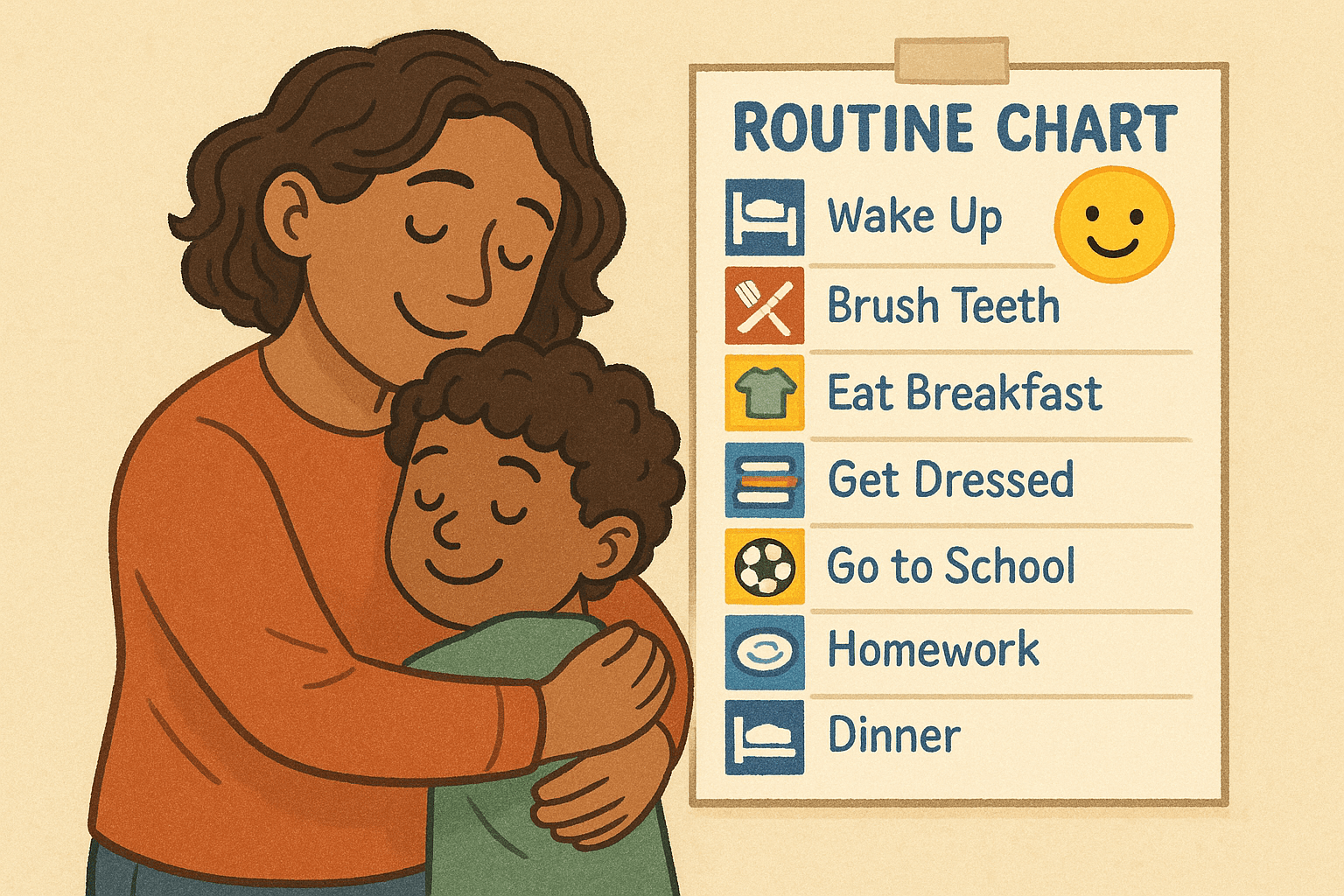
- Establish a Routine: Children thrive on consistency. Create a daily schedule that includes time for play, learning, meals, and rest. This structure helps children feel secure and understand expectations.
- Encourage Play-Based Learning: Play is a natural way for children to learn. Provide a variety of toys that encourage creativity and problem-solving, such as building blocks, art supplies, and interactive games.
- Read Together Daily: Make reading a part of your daily routine. Choose a diverse range of books that reflect your child's interests and introduce new concepts. Ask questions about the story to enhance comprehension.
- Limit Screen Time: While technology can be beneficial, excessive screen time can hinder development. Aim to limit screen exposure and encourage interactive, educational content when screens are used.
Choosing the Right Early Childhood Education Program
When considering formal education options, it's essential to choose a program that aligns with your child's needs and your family's values. Here are some factors to consider:
- Curriculum: Look for programs that emphasize play-based learning and holistic development. A well-rounded curriculum should address cognitive, social, emotional, and physical growth.
- Qualified Educators: Ensure that the educators are trained in early childhood development. Their expertise will significantly influence your child's learning experience.
- Safety and Environment: Visit the facility to assess its safety and cleanliness. A nurturing environment with adequate space for play and exploration is crucial for your child's comfort and growth.
- Parent Involvement: Choose a program that encourages parental involvement. Regular communication between parents and educators fosters a collaborative approach to your child's education.
Common Pitfalls to Avoid
While navigating early childhood education, be mindful of these common pitfalls:
- Overemphasis on Academics: It's essential to strike a balance between academic learning and play. Overloading children with academic pressure can lead to stress and hinder their natural curiosity.
- Neglecting Emotional Needs: Academic success is vital, but emotional well-being should not be overlooked. Ensure that your child feels secure and supported in their learning environment.
- Ignoring Individual Differences: Every child is unique, with different learning styles and paces. Avoid comparing your child to others; instead, celebrate their individual strengths and progress.
Frequently Asked Questions
What age is best to start early childhood education?
Starting early childhood education around the age of 3 is generally recommended, as children at this age are ready for structured learning experiences. However, informal learning can begin even earlier through play and interaction at home.
How can I support my child's learning if I can't afford a formal program?
You can create a rich learning environment at home by engaging in activities that promote learning. Reading together, exploring nature, and encouraging imaginative play are effective ways to support your child's development without formal education.
Conclusion
Early childhood education is a crucial investment in your child's future. By understanding its importance, creating a supportive environment, and making informed choices, you can help your child thrive during these formative years. Remember, every small effort counts in nurturing a love for learning that will last a lifetime.
Call to Action
If you found this post helpful, consider sharing it with other parents who may benefit from these insights. Together, we can create a community that values and prioritizes early childhood education for all children in India.