Beyond the Screen: A Practical Guide to Managing Your Child's Digital World
Screens aren't going away, but with thoughtful guidance, you can help your child build a healthy relationship with technology that supports their development rather than hinders it.
We’ve all been there. A moment of peace in a chaotic day, bought by handing over a phone or turning on the TV. In today’s world, screens are an undeniable reality—a source of education, connection, and, let’s be honest, a temporary babysitter. The guilt, however, often follows close behind. Are we harming their development? Stunting their social skills? As parents, we’re navigating uncharted territory, balancing the digital world’s benefits with its very real pitfalls.
This guide isn’t about creating a screen-free utopia (an impossible goal for most). Instead, it’s about moving from anxiety to agency. It’s about understanding how screen time affects your child’s behavior and equipping you with practical, empathetic strategies to create a balanced digital diet that supports their growth, sleep, and social-emotional well-being.
Understanding the "Why" Behind the Behavior
Before setting limits, it’s crucial to understand what draws your child to the screen. Is it boredom, escape, social connection, or simply habit? Often, excessive screen time is a symptom, not the cause. A child struggling with social anxiety might retreat to online games where interaction feels safer. Another might use YouTube to decompress after an overstimulating day at school. Observing *when* and *why* your child seeks screens provides the first clue to creating effective boundaries. The goal is to meet the underlying need in other ways, making screen limits feel less like deprivation.
The Foundation: Screen Time by Age & Stage
One-size-fits-all rules don’t work. A toddler’s brain interacts with a screen fundamentally differently than a pre-teen’s.
* Under 2 years: Priority: Minimal to none. Except for brief video chats with family. At this age, brains need real-world, 3D interaction to build neural connections. Passive viewing offers no learning benefit and can displace crucial activities like tummy time, babbling, and exploring textures.
* 2-5 years: Priority: Co-viewing & high-quality content. Limit to under 1 hour per day. This is the time for curated, educational content (think simple storytelling, gentle music). The magic happens when you watch *with* them—pause to ask, "What do you think will happen next?" and connect it to the real world ("That caterpillar turned into a butterfly, just like in our garden!").
* 6-12 years: Priority: Balance & beginning digital literacy. Consistent daily limits are key (e.g., 60-90 minutes on school days). Shift focus from just *time* to *content and context*. Are they creating a digital art project, mindlessly scrolling, or playing a collaborative game with friends? Help them learn to differentiate. Establish clear tech-free zones (dinner table, bedrooms) and times (one hour before bed).
* Teens 13+: Priority: Autonomy & responsibility. Move from strict timekeeper to conversation coach. Negotiate limits based on completed responsibilities (homework, chores). Discuss topics like online safety, digital footprints, and the curated reality of social media. Their screen time will increase; your role is to ensure it doesn’t consume essential sleep, physical activity, or face-to-face family time.
What to Absolutely Avoid: Common Screen Traps
1. Screens as a Pacifier or Reward: This sets up a "forbidden fruit" dynamic, making screens more desirable. Avoid "If you finish your veggies, you get 30 minutes of iPad."
2. Background TV: Having the television on constantly, even if "no one is watching," creates chronic low-level distraction, harming a child’s ability to focus on play or conversation.
3. Screens Before Bed (The Blue Light Trap): The light emitted suppresses melatonin, the sleep hormone. This disrupts sleep cycles, leading to irritability and poor focus the next day. Enforce a minimum 60-minute screen-free buffer before bedtime.
4. Screens During Meals: This kills the primary opportunity for family connection and conversation, which is vital for language and social development.
5. Unsupervised Access for Young Children: The internet is unpredictable. Use parental controls, but more importantly, keep devices in common family areas.
Building Your Family Media Plan: A Practical Framework
A plan creates consistency and reduces daily negotiations.
1. Audit: For one week, simply observe. Note when, what, and for how long each family member uses screens.
2. Family Meeting: Discuss your observations with kids old enough to participate. Frame it as "How can we make sure we have time for all the important things—play, reading, family, *and* your favorite shows?"
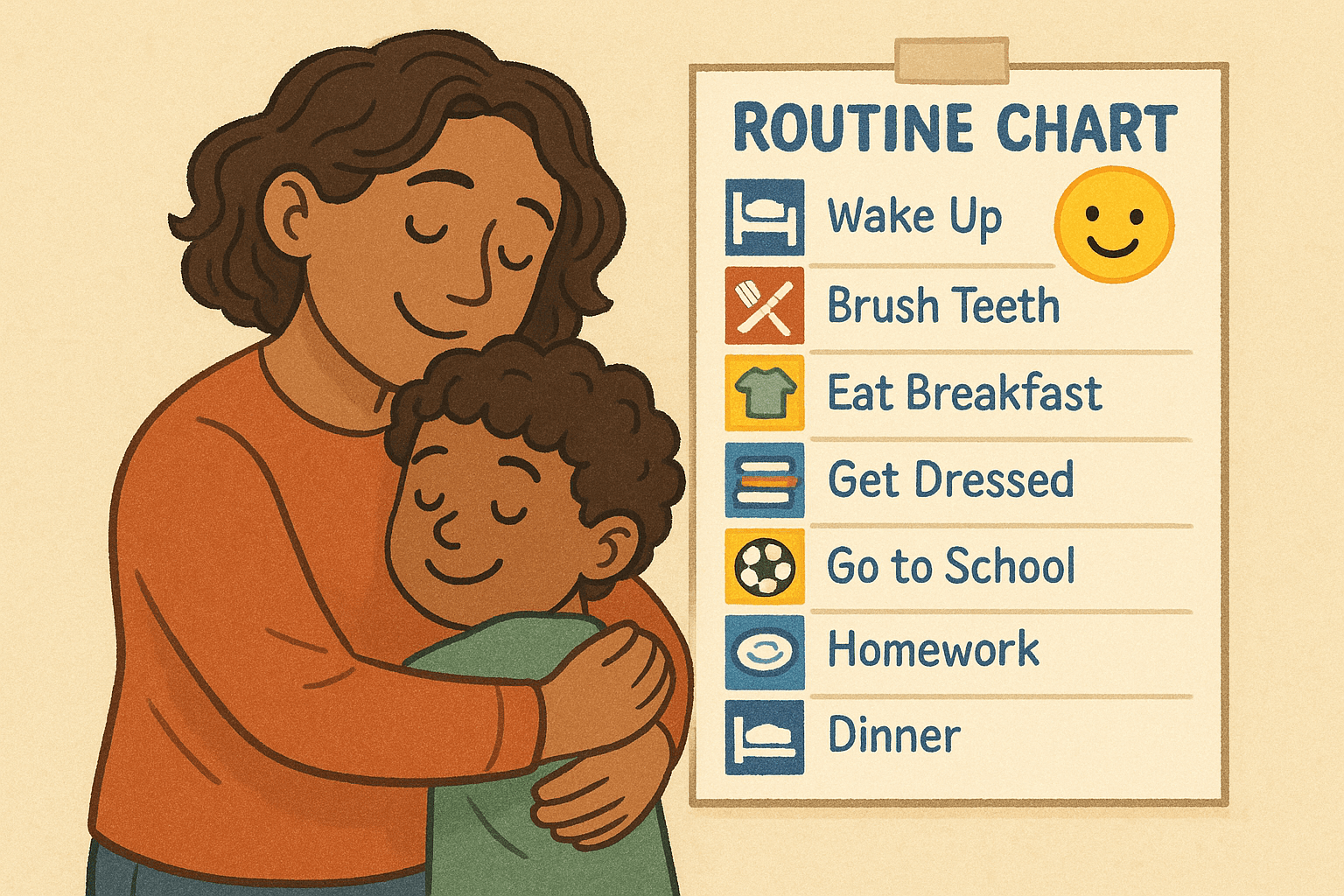
3. Set Clear Zones & Times: Define where (e.g., living room only) and when (e.g., only after homework, never before school) screens are allowed.
4. Curate Content Together: Create a "go-to" list of approved apps, games, and channels. For younger kids, use folders on the device home screen.
5. Model the Behavior: This is the hardest and most important part. Practice your own phone hygiene—no devices at dinner, charging your phone outside the bedroom.
The "Quick Reset" Weekly Plan
Struggling to start? Try this one-week reset to break negative patterns.
* Monday: Device-Free Dinner. Everyone shares one rose (good thing) and one thorn (challenge) from their day.
* Tuesday: Active Swap. Replace 30 minutes of usual screen time with a physical activity—a walk, dance party, or backyard cricket.
* Wednesday: Creative Hour. Offer art supplies, Lego, or dress-up clothes during typical screen time.
* Thursday: Tech-Check. Review parental control settings and watch/play something with your child.
* Friday: Family Fun Night. Board game, charades, or cooking together—no screens allowed.
* Weekend: Outdoor Adventure. Plan a half-day outing to a park, lake, or hike. Leave devices in the car or on airplane mode.
When to Seek Professional Guidance
While most screen time challenges are behavioral, be mindful of red flags. If your child exhibits extreme distress, rage, or physical aggression when screens are removed, consistently chooses screens over all peer interactions, or if screen use is severely impacting sleep, hygiene, or academic performance over weeks, it may be time to consult a professional. Speak to your pediatrician or a child psychologist. They can help rule out underlying issues like anxiety, ADHD, or depression that might be driving compulsive use.
FAQ: Your Top Questions Answered
Q: My child says 'all my friends' have more screen time/got a new phone. How do I handle the social pressure?
A: Acknowledge their feeling without giving in. Try: "I know it feels unfair, and every family has different rules. In our family, we’ve decided this limit is important for your health/sleep/playtime. Let's plan something fun your friend can do when they come over that doesn't involve that game." Focus on your family's values.
Q: Are educational apps and games really 'better' than entertainment?
A: They can be, but with caveats. Truly educational apps are interactive, require problem-solving, and don’t have autoplay or distracting ads. However, even the best app is a poor substitute for hands-on learning—building with blocks, mixing baking ingredients, or sorting laundry. Think of them as a supplement, not the main course of learning.
Q: I work from home and need the screen to keep them occupied sometimes. Is that so bad?
A: Parental sanity is a valid need! The key is being intentional. For younger children, can you rotate high-interest, non-screen activities (a special toy box, play dough) for those times? For older kids, can you schedule your demanding work during their pre-arranged, limited screen time? Transparency helps: "Mummy has an important call for one hour. This is your time for your show. After that, we’ll take a break together."
Your Next Step: Start the Conversation
The most powerful tool you have isn't a parental control app; it's conversation. This weekend, put the devices away for an hour. Go for a walk, kick a ball, or just sit and talk. Observe what your child talks about when they're not distracted. Notice your own sense of presence. That connection is the ultimate antidote to digital overload and the solid foundation upon which all your screen guidelines will stand. Begin not with a list of rules, but with a moment of undivided attention. You've got this.